Building the Best Path for B2B Sales Using the Buyer’s Journey

Over the past few years, there has been a significant transformation in the B2B buyer’s journey. Today’s decision-makers have access to an enormous quantity of information, which has led to a more independent research process. As a result, marketing and sales representatives have less opportunities to interact with prospects. Only 17% of the buyer’s cycle for B2B buyers involves meetings with solution providers, according to a Gartner analysis. In addition, Gartner projects that by 2025, 80% of B2B sales contacts would only occur through digital channels, since millennials favor a sales process that is free of sellers. However, the “vendor-free” aspect is really a fantasy. The goal of inbound marketing methods is to persuade potential customers that they are making the right decisions. When prospective customers are certain of what they want, outbound actions step forward to deliver them with additional tools that confirm those decisions. In other words, prospects are free to roam while businesses leave a tray of delights for them to follow in the current condition of the B2B buyer’s journey funnel. Selling is still going on, although there is less pressure from potential purchasers. Let’s examine the buyer’s journey notion in more detail and how your brand can use it to close more purchases. Must Read: Driving Growth with B2B Purchase Intent Data: Unlocking the Power of Buyer Insights What Is a Buyer’s Journey? The active research process a potential customer undertakes each time a recognized need necessitates the acquisition of a solution is known as the buyer’s journey. B2B marketers and sales representatives can promote their products as a wise choice for the prospect by being aware of how this experience might be altered. The steps in the typical B2B purchasing process that lead to a transaction are as follows: Problem Identification: How can the business handle a specific scenario? Solution Analysis: What product might be able to fix the issue? Requirements Setup: What aspects need to be obligated to the solution? Choosing a supplier: Which businesses provide the required solution? Validation Process: How do these suggestions for solutions address our needs? Consensus decision: Who would be the final decision-makers and make the final call? The marketing and sales teams must, however, come to an understanding regarding the kind of prospect who is most suitable to take that route before paving asphalt for the B2B buyer’s journey road. Each lead generation effort must start with the development of buyer personas and ideal customer profiles (ICPs). Finding the person who is actually in charge of the B2B decision-making process must still be taken into account before moving on to the next stage of prospect development. Must Read: 35 Closed-Ended Questions To Ignite Your Sales Strategy – And When to Use Them Aspects of the B2B Buyer’s Journey Forbes claims that a typical enterprise buying group comprises of six to ten decision-makers who are each given at least four pieces of information to support the suitability of the solution they have selected. But many B2B prospecting strategies fail frequently because advertisers and vendors mistakenly believe that targeting C-level executives will increase conversion rates. They manage the budget that will finance the selected course of action, correct? Yes, but not quite. The buying process is somewhat influenced by a variety of persons. Each of these are capable of carrying out one or more of the ensuing buying tasks: Individual contributors will be responsible for implementing the solution to meet the defined need. Their managers, who will convey their satisfaction (or lack thereof) to the highest levels, will benefit the most from their insights. Team leaders or directors typically see a problem that needs to be fixed or perceive an opportunity to boost performance by adopting a certain tool. They will be the ones to specify the product’s requirements. These are the individuals in charge of incoming information control. They may be VPs in charge of sifting through all relevant information before making a crucial decision, or they may be assistants to senior executives. A junior or mid-level manager contributes more to the purchasing process. The decision-influencer, who is typically a member of the user crew, is in charge of conducting the initial study on a product or service. The people who present the evidence that affects the decision-makers’ ultimate choice are the decision-influencers. Although these C-level stakeholders have the last say in whether deals are signed, they are rarely involved in the initial phases of the buyer’s journey, which require research. Their communication routes are frequently clogged, their schedules are frequently overbooked, and inside advisers frequently have more influence over them than outside ones. Even if buying occupations can serve as a reference to define a particular person’s position, responsibilities might change at any time. Even the individuals performing them have the potential to change their focus or quit entirely, which would require the cycle to restart. All roles are crucial to the B2B buyer’s journey, but there are major differences in the best times to reach each one, the messages that could pique their interest, and the kinds of information they will consume. For this reason, utilizing all phases of the buyer’s journey is essential to producing more high-quality leads. Must Read: Tips for Preventing Data Decay in B2B Sales What Are the Stages of the B2B Buyer’s Journey? The fact that B2B purchase procedures are non-linear is one of their toughest features. Prior to moving on to the actual purchase step, prospects flit back and forth between the various stages, verifying their initial impressions and weighing a number of choices. To that end, understanding each step of the buyer’s journey and how to approach it helps sales and marketing teams map out the various points of contact with prospects and prepare their resources and action plans for the subsequent contact touch. The stages of the B2B buyer’s journey that are the most typical, along with the recommended kinds of content for each: 1. Awareness The first stage of the buyer’s journey starts when a potential customer acknowledges they have a problem that needs

What Is Data Cleansing, Why Is It Important, And How Can You Do It?

One of the most crucial processes in the data preparation process is data cleansing and purification. As businesses depend more and more on data to guide important choices, poor data can result in inefficiencies, missed opportunities, or even monetary losses. Therefore, one of the largest challenges facing organizations today is maintaining a “clean” database. The importance of data cleansing cannot be emphasized enough, as it ensures the integrity and reliability of the information upon which significant choices hinge. What is Data Cleansing? And Why is It Important? Data preparation starts with data cleansing, sometimes referred to as data scrubbing or data cleaning. Simply said, data cleansing is the process of identifying and deleting any inaccurate, incomplete, or irrelevant data from the data set. Data cleansing can be carried either manually or with the use of software. Must Read: CRM Data Cleansing for Optimal Performance What Different Kinds Of Data Issues Are There? When businesses obtain data from the internet or other sources, merge data from several data sets, acquire data from clients or other departments, etc., a number of issues related to data quality can arise. These issues underscore the importance of data cleansing, as ensuring clean and accurate data becomes crucial in mitigating challenges. Typical issues include: 1. Duplicate Data:  Two or more records that are exactly the same. 2. Conflicting Data:  When different facts are contained in the same record. As an instance, consider a customer with the same name but distinct phone numbers in several records. 3. Incomplete Data:  Data that have missing characteristics. 4. Invalid Data:  Data that does not comply to guidelines. The Risk Posed By “Poor Data” Data is now one of the most valuable assets for the majority of businesses worldwide. Poor data can hurt a firm’s bottom line as more individuals begin to rely on their data to make important decisions. Indeed, according to Forbes, firms are losing up to 12% of their revenue due to bad data, and in the United States alone, dirty data is estimated to cost the economy $3.1 trillion annually. Poor data not only hurts businesses financially, but also wastes a lot of time because data analysts spend more than half of their time monitoring and cleaning data. The company as a whole will move more slowly as a result of this added time. Additionally, incorrect data might have an impact on a variety of other business operations. For instance, insufficient information on client preferences may result in unproductive marketing initiatives, and inaccurate customer data may cause issues for sales. This underscores the critical question: why is data cleansing important? Ensuring the cleanliness and accuracy of data becomes imperative to prevent such substantial financial losses and to maintain the trustworthiness of the information driving key decisions. Must Read : 6 Effective Practices For Database Cleaning Advantages Of Data Cleansing Several advantages of data cleansing include: 1.More Precise Perceptions And Trustworthy Forecasts: Data information will be more trustworthy if better data is available for processing. The business will gain insights into several fields as a result, which will aid in making more precise predictions. 2. Boost Efficiency And Productivity: Dirty data can cause problems, work-to-be-done issues, and bottlenecks in a variety of processes. By removing this barrier, employees can do their tasks more quickly and proficiently. And it Helps To Boost Your Marketing Campaign Performance. 3. Reduce Total Costs While Increasing Revenue: According to research, dirty data can account for up to 12% of a company’s revenue losses. Effective data cleansing can minimize this loss and increase the company’s overall revenue. 4. Improve Client Satisfaction: Businesses may better understand their customers by using more precise data, which will improve the overall customer experience. Best Methods For Data Cleansing: There are several methods and procedures for maintaining a neat database. Here are some recommendations for data cleansing. 1. Create A Data Quality Plan: 2.Valid Data At The Entry Point: To maintain a clean database, it’s critical to have clean, standard data that guarantees all crucial properties are free of errors at the time of input. Before continuing, this can help your team save time and effort. The entire team should establish and follow a standard operating procedure for entering data. This will guarantee that the system can only accept high-quality data. 3.Verify Your Data’s Accuracy: A small data collection can be manually validated at this step to ensure that the data satisfies all of the requirements. The manual technique is time-consuming, labor-intensive, and inefficient with larger and more complicated data sets since people are prone to making mistakes. Tools for data quality control are therefore created to assist with this problem. 4. Deal With Duplication: Duplicates consume time and effort and are detrimental. They slow down the business’s operations, harm company-customer relationships, and interfere with a number of company operations, including marketing, sales, and customer support. Companies should take every precaution to avoid them. It’s also critical to take into account the following after eliminating all duplicate data at the entrance: 5. Add Missing Information: The process of appending involves adding missing data to entries in mandatory fields, such as phone numbers, email addresses, last and first names, Office Address, etc. Finding the missing details, though, might be challenging. It is advised that businesses employ a trustworthy third-party data source to help fill in the gaps in order to complete this phase successfully. 6. Encourage The Organization As A Whole To Use Clean Data: After everything is finished, you must inform everyone within the organization of the significance of clean data. Make sure all staff members, irrespective of their functions, are aware of and uphold the practice of clean data. At Only B2B, we identify practical answers to business issues, use a consultative approach to every client engagement, and help your company achieve the best possible business results. Talk to us and explore the various demand generation services we have in store for you today!

Tips for Preventing Data Decay in B2B Sales

The role of data is changing along with the digital future of B2B sales. The increasing push toward digital transformation, say 72% of company leaders, has rendered organizations more dependent than ever on data when making critical business choices. In addition, 32% of respondents believe their data is erroneous, and 55% of respondents indicate they don’t trust their data assets. Businesses-to-business (B2B) organizations must regularly update and correctly preserve data assets to stop data deterioration in order to meet the growing need for data-driven choices. However, a vast majority of firms still lack the ability to secure their data hygiene, which has a negative impact on their operations. By squandering team resources ineffectively, losing clients and credibility, using inaccurate data might result in fewer transactions being closed and less money being made. Incorrect data alone causes B2B businesses in the United States to lose $3.1 trillion in revenue annually. Businesses need to learn how to preserve data quality and stop rapid data decay, which is frequently the cause of many business problems, in order to securely transition to the digital era and keep up with the enormous amount of information available out there. Must Read: Building the Best Path for B2B Sales Using the Buyer’s Journey Data Decay: What Is It? Data decay is the process through which the accuracy of your B2B database degrades over time as a result of containing obsolete, incomplete, or inaccurate info. Unfortunately, data deterioration cannot be prevented, especially when static data is used in sales. Your data need ongoing care and maintenance in order to stay current. Your team will need to invest both time and money into this. Why Does Data Decay Occur? Data deterioration can happen for a number of causes, including software bugs, human error, or the inability to keep up with the flow of information that is always expanding. B2B data deteriorates on average at a monthly pace of 2.1%. A number of variables, such as the sector you work in (high-tech is especially vulnerable), the customer demographic you are aiming for, the region where you operate, etc., may have an impact on your company’s data decay rate. Unanticipated data decay rates are caused by a variety of factors as well. Dun & Bradstreet estimates that every half hour, 120 corporate addresses, 75 phone numbers, 20 CEOs change positions, and 30 new start-ups are established. Imagine manually updating this data-point every thirty minutes during your workday. Read this insightful article about virtual prospecting and intent data. Every 30 Mins: 120 Companies move to a different address 75 phone numbers change 20 CEOs leave their job 30 new startups are launched These factors are the reason why B2B Data lists decay between 22% to 30% every year. Source: Dun & Bradstreet Numerous bits of information, such as altered names, job descriptions, phone numbers, email addresses, etc., have an impact on your database every day. The good news is that there is a lot you can do to stop data decay, despite the fact that it may seem hard to follow all the irregular changes and ensure the quality of your data. Must Read: Sales Cadence Best Practices: Why You Should Always Dial First How to Prevent Data Decay in B2B Sales: Data deterioration is an ongoing process that is difficult to stop. There are ways to slow things down, though. Here are the top seven suggestions for maintaining optimized and current data: 1. Keep your CRM Software Operating Effectively. The best source of pertinent data for creating and keeping your data-set is customer relationship management (CRM) technologies. They save your sales and marketing teams time by tracking and evaluating the sales pipeline and storing all interactions with all leads, prospects, and clients you have ever engaged. They coordinate automated email distribution as well. CRMs are one of the best ways to maximize your data and maintain constant control over your sales activity because of all these benefits. However, make sure you abide by these three guidelines to establish a CRM system in your business successfully and prevent data decay: Must Read: B2B Sales Dynamics: Leads, Prospects, and Opportunities Connect your CRM System to Additional Data Solutions:  To gather as much information as possible, ensure that both marketing and sales use the same system and synchronize all the data sources in one location. Check CRM Data: Use firewalls to ensure the accuracy of your data and make sure it is validated as it is entered into your CRM. Data Segmentation:  If you have numerous ideal customer profiles (ICPs), work in multiple marketplaces, or sell a variety of items, categorizing the critical data can help you improve the sales cycle and more effectively manage data quality. Must Read: What is intent data in lead generation? Use Email Validation Software Tools to Confirm Emails. 87% of B2B marketers use email as their primary prospecting medium for outreach. Additionally, email marketing databases age naturally by roughly 22.5% annually, which raises email bounce rates and lowers conversion rates. In order to maintain a constant email deliverability rate, your data must be updated if your email bounce rate is high. If your emails never get to their inboxes, what use is it to have large lead lists? Utilizing email verification software is one of the most efficient ways to solve this difficulty and purge your list of invalid and inactive email addresses. These tools make sure that the recipient’s email is authentic and that your message can be delivered securely by running a number of checks. In addition, they look into the email address, server, and domain name to avoid technical issues and spam folders. 3. Maintain a Verified Opt-In. Implementing opt-in confirmation is another strategy for preventing email data deterioration. It is used to verify that your subscribers filled out the registration form completely and correctly entered their email address. A confirmation email will be sent to the new user after they have completed their information to complete the sign-up process with proper information. This simple function prevents inaccurate data entry and only

How Businesses Can Get Ready for a Recession in 2022

Everyone can hear the air sparking with tension as recession fills the skies with gloomy clouds. Google Trends shows that “how to prepare for recession 2022” is more popular, indicating that Americans are starting to question how their daily lives may be impacted in the coming months. Nevertheless, the American economy is no baby when it comes to handling this kind of circumstance. The National Bureau of Economic Research’s data show that since World War II, the U.S. stock market has experienced recessions 14% of the time. The present crisis, according to CBS experts, is the result of the impact of rising interest rates, high inflation, and energy costs due to the conflict in Ukraine as well as a downturn in China’s economy. Therefore, it is plausible to assert that a bear market, also known as a hibernating condition, may be about to begin. The B2B environment approaches economic crisis, so now is a fantastic time to look more closely at the potential effects that lie ahead, what businesses can do to prepare for them, and how to capitalize on a downturn.  How to Make It Through a Bear Market: If a corporation is unprepared, bear territory might be frightening. This is a dangerous situation since bear markets frequently coincide with high unemployment rates and economic recessions. However, astute investors discovered a way to profit in a bear market by exploiting the decline in stock prices. A bear market, as used colloquially, is when an index, like as the S&P 500, the Dow Jones Industrial Average, or even a single company, has dropped by at least 20% from a recent high over a prolonged period of time.  According to Investopedia, a combination of the ongoing COVID-19 pandemic’s repercussions on the global economy and a sudden pricing war between Saudi Arabia and Russia in the oil markets are the direct causes of the impending bear market. Even more terrifying, the American economy has seen several bear assaults throughout the years: The current bear market is alerting us to the impending storm, in contrast to the setting of a bull market, which is marked by optimism, investor confidence, and anticipation that excellent outcomes would continue. Fortunately, there is still time for firms to strengthen their plans. How to Make It Through a Recession: We at Only-B2B have invested a lot of effort in researching the possible effects of a recession on businesses and creating a B2B marketing playbook that enables firms to respond quickly. According to our data, although it is true that many marketing departments would curtail or even stop their activities out of fear, a sizeable portion of astute marketers will use it as an opportunity to set their brands apart from the competitors. Direct implications of the recession on B2B businesses: A recession is difficult to survive. Pipeline expansion will continue to be the key issue in 2022, according to Marketing Charts. The following problems were also cited by leaders in sales and operations: Source: Marketing Charts Here are some other pertinent learnings from previous pandemics and recessions on what to anticipate in this next situation: However, market turbulence recurs often. “If the future is anything like the past, it is quite probable that the economy will grow over the long term and that financial markets will generate attractive returns for the patient, diversified investors,” says Jeff Sommer, economist and editor at the New York Times. Small businesses may not experience as severe of a recession’s consequences as larger companies. A Bloomberg story, however, reveals that analysts anticipate one to start in the middle of 2023. The greatest thing B2B businesses can do right now is to restock their emergency supplies, maintain a positive work environment, and have faith in the stability of their customer bases. But the market is prone to unrest on a regular basis. Jeff Sommer, economist and editor at the New York Times, forecasts: “If the future is anything like the past, it is highly likely that the economy will grow over the long term and that financial markets will produce handsome returns for the patient, diversified investors.” Small businesses may not experience as severe of a recession’s consequences as larger companies. A Bloomberg report, however, reveals that analysts anticipate one to start in the middle of 2023. The greatest thing B2B businesses can do right now is to restock their emergency supplies, maintain a positive work environment, and have faith in the stability of their customer bases. Must Read: 6 B2B Lead Generation Strategies to follow in 2022 How to use B2B marketing to stave off a recession: There is no getting around the fact that B2B marketers will face more pressure. High-end prospects are now well aware on the operation of their data footprint and the benefits of data-based B2B lead generating tactics. Your sales development representatives’ (SDRs) ability to access a pitch call will be made more difficult by the recession, which is putting everyone’s necks under pressure. Remember that all businesses are competing for consumers’ attention, which means that the cleverest marketers will continue to discover methods to use the present situation to their advantage. Only-B2B’s marketing specialists have examined and verified that developing your brand in the following ways is a wonderful method to break down the “not-now” wall even the most anxious customers are already erecting: Credibility: Help your clients by honestly assessing the situation. This often entails relying on reliable databases to support whatever plan is going to be put to the test; intuition and sentiments should be set aside when making crucial business decisions. Reliability: The key to success is connection. Daily communication should priorities frequent, direct, and transparent input from both parties. Both the left and right hands are aware of what the other is doing. Be willing to extend invitations to your clients from other social groups in case such groups might offer them worthwhile commercial chances in a downturn. Affection: Outbound communication should be intimate and natural. In these turbulent times, concluding a contract is more akin to beginning

The Benefits Of Interactive Content For Lead Generation

One Size Fits All – Interactive Content Interactive media is similar to pizza. It may have any topping in the world and comes in a variety of sizes and forms. Nevertheless, we do enjoy pizza, don’t we? Similar to this, interactive content performs effectively regardless of where it is used or the type of content it is used with. This is so that your clients may benefit from the engaging nature of interactive content. Two times as many conversions are produced by interactive content than by passive content. Users of interactive content are more willing to provide personal information, resulting in the production of quality leads. How Can Interactive Content Benefit in Lead Generation? In comparison to static content, interactive content is more successful in generating leads. Here’s why. 1. Engagement More than 75% of marketers think interactive content captures website users’ attention. Interactive content can certainly attract your interest in this age with such short attention spans. You become immersed and engaged by it. It includes tasks like choosing options, expressing preferences, and responding to inquiries, which adds to its attraction. Users are prompted to provide information more frequently as a result. 2. Value-Based Interactive content offers something in return. The customer is informed and provided with the necessary information. A bank may employ a savings goal calculator, for instance, to assist its customers. This calculator may be used by both businesses and individuals to see how much money has to be saved each month in order to reach annual objectives. 3. Simple Data Gathering There are several interactive content creation tools available. You may also examine the data and make inferences using these tools. Interactive content makes it simple to gather this information and put it to good use. For instance, you may gather user information like skin type, skin tone, and allergies if you design a quiz to propose cosmetic products (if they have any). Using all of this data, more specialised offers may then be sent. 4. Informs The Viewer Another excellent technique to educate your audience without using lengthy posts and blogs is through interactive content. You may teach them considerably more about your brand by using calculators and tests. As a result, their experience is enhanced and their likelihood of providing lead information through the interactive content piece rises. Must Read: 6 B2B Lead Generation Strategies to follow in 2022 Calculators, Tests, and a lot more You may utilise the following incredible content categories for your lead generating process: 1. Calculators Information collecting using interactive calculators is quick and affordable. They aid consumers in finding straightforward solutions to challenging problems. In return for your contact information, they enhance your B2B leads. Imagine that your business is construction. For the benefit of your potential clients, you may create building quotations for businesses, residences, etc. Before working with you, they will have a general concept of what they may pay. Additionally, based on the data you gather, you will be able to segment your leads. You may create calculators to figure out things like staff productivity, meeting costs, and mortgage payments. Think of a ROI calculator, for instance. Businesses could input their details and get a clue of their return even before they decided to get involved. This is a sign of trust that fosters loyalty in the businesses of potential clients. 2. Results Tests You must be curious about what type of pasta you are. Or which 90s rock song best describes your character? Indeed, quizzes are entertaining. But they’re also a fantastic technique to increase the number of leads coming into your company. To further inform its clients, a marketing firm may employ a questionnaire like “Which Marketing Tool Is Perfect For You?” Depending on their interests and choices, they may target various firms with various programmes. Here is a test by Staples, a well-known supplier of office products.  The “How Strong Is Your Brand?” questionnaire was formulated. They utilize the test to probe businesses on their awareness of their own brand. They may also take part in other co-marketing projects. Additionally, the business may target clients with certain items and boost sales based on the results. Additionally, this increases brand recognition. 3. Assesments True, nobody enjoys taking assessments and tests. However, interactive exams aren’t your standard fare. They’re a fantastic interactive content type that awards grades based on your response to questions. They’re a fun approach to inform your prospects and clients. Users like knowing where they stand in relation to other users thanks to evaluations. This immediately raises the interactive assessment’s social proof. In reality, a variety of sectors may utilise assessments to learn more about their potential consumers’ knowledge and what they can provide for them. Online testing is a tool that businesses may use to qualify their customers. Companies may target the correct B2B clients by using assessments like the one labelled “How Much Do You Know About Our Software?” Or a marketing firm may utilize a test to see whether you’re an expert in Facebook marketing! These tests not only help you qualify leads (Marketing qualified or Sales qualified), but you can also make them different offers based on the outcomes. 4. Polls and Surveys One of the most economical methods of getting leads is through surveys. People like expressing their thoughts and providing comments. Additionally, surveys are a terrific sort of content for quickly and easily acquiring large amounts of data. They experience a tonne of social interaction. They are also excellent for gathering lead information. Polls function similarly to surveys in this regard. When trying to obtain data on a specific issue, polls are more beneficial. The universality of surveys and polls is their finest quality. Any sector or business can use them. Additionally, businesses may utilise surveys for “Target Market Analysis” to better understand their clients. People are the centre of businesses, and feedback is the final but most crucial component. Retail enterprises may also utilise polls to learn about the preferences and choices of their customers so they

How to Get Your Leads to the Finish Line

It’s wonderful to get a hot lead, but it’s also a process that needs a significant amount of planning, commitment, and time before you can consider the sale done. Consider your favorite competitors crossing the finish line this summer at the Olympics. They didn’t just show up one day and enter the competition. Every single one of them has put money into themselves and prepared for success on the track. Though the race was brief, years of hard work, devotion, and drive brought them to the finish line. With That In Mind, Here’s How You Can Take A Similar Strategy To Getting Your Leads Over The Finish Line. Keep Your Eye On The Ball – Knowing what you’re striving towards is essential. Not every athlete aspires to Olympic gold. Some are striving for personal excellence, while others are seeking to enhance their health and stamina. What are your objectives in terms of sales? Are you attempting to increase conversion rates? Going for oomph? Do you prefer quality leads than quantity? Knowing why you’re working can help you pick the right route and stay on track. Invest In A Decent Pair Of Running Shoes – Can you image Usain Bolt winning the 100 meters with a worn-out pair of tennis shoes? He’d still be quick because of his skill, but you can bet he wouldn’t perform at his best without a pair of well-fitting running shoes designed for the task at hand. Your sales staff requires dedicated productivity tools, which includes auto-dialing, email, lead tracking, and a document library with merge able forms, brochures, and content. Hustle And Practice – Your salespeople are probably bright and skilled, but they must continue to improve their skills via ongoing training, practice, and mentoring. You and your sales team may analyze performance by listening to call records in the same way that coaches and athletes do by watching videos. Warm Up – Now that you’ve decided what you want to do, purchased your gear, and rehearsed for the big day, it’s time to perform! It’s almost time to race, but first you need warm up. Before picking up the phone, sales representatives should engage in a positive ritual to get into the correct state of mind. Warming up may be accomplished by stretching, music, and visualizing. Must Read: 6 B2B Lead Generation Strategies to follow in 2022 Establish Your Best Opening Position – Next, put yourself in the finest possible starting position. Make sure the best leads are ready to contact and that you have the resources you need. For example, if you phone leads to set up appointments but don’t have an effective scheduling technology in place, you may be setting yourself up for failure. Start Quickly – A sluggish start is disheartening and can mean disaster. The same is true if you let your most recent leads sour. Call your newest leads first, and you’ll have a lot higher chance of taking them across the finish line with you. If you keep them waiting too long, they’ll either lose interest or buy from someone else. Calm Yourself – Don’t rush at first. Get to know your leads once you contact them. Determine their requirements and acquire their confidence before imposing a solution you believe they desire on them. Maintain Your Attention On The Selling. — Have you ever wondered why racehorses wear blinders? Its purpose is to reduce distractions. Allow yourself to be distracted; instead, keep concentrated on the sale. This entails setting up a calling environment in which you can focus and pay attention to your prospects. Pay attention for buying indications and provide consultative answers to their difficulties. Logical branch scripting is useful for overcoming objections or providing options based on the reactions of the lead. Recognize That It Will Be A Lengthy Race And Plan Appropriately — following up on leads is rarely a 100-yard dash; it is more akin to a marathon. Make a strategy. Determine your prospects’ hotspots, for example, and deliver related emails and material. Maintain Consistency — You can’t just start and stop whenever you want or when a lead doesn’t reply right away. You must persevere. 45 percent of all leads purchase. Don’t squander qualified leads (Marketing qualified or Sales qualified). Keep Your Eyes On The Prize — We said it before the race began, and we’ll repeat it again now that you’re nearly there. You’ve worked hard, you’re almost out of breath, and you’re not sure whether you’ll make it. However, the finish line is so close. You’ve got this! Maintain your confidence and ask for the sale. Track Your Performance After The Race — You’ve finally finished the race. Whether your prospect converted or not, keep track of your success and create objectives for yourself to break new sales records. Finish Line: Talent will go you a long way, but if you want constant performance and to operate as effectively as possible, you’ll need the ideal CRM system. Only-B2B provides you with the tools you need to reply immediately to your freshest leads, communicate with them in the most meaningful way possible, follow up with relevant information, and stay focused on winning their trust as you advance the relationship from the beginning to the end. Must Read: B2B Lead Generation Strategies: Ways To Drive Leads And Grow Your Business

B2B Sales Dynamics: Leads, Prospects, and Opportunities

A person or organization must first pass through numerous phases of interest before becoming a paying customer or client. The terms leads, prospects, and opportunities are frequently used synchronously in B2B sales, despite the fact that they truly have distinct meanings. Different forms and levels of interaction are necessary for each stage. That is to say, a lead cannot receive the same level of attention as an opportunity. Therefore, it is also true that knowing the distinctions between these three words will enable you to spend less time, effort, and money. However, it also makes it lot simpler for you to determine where a potential client is in the buying process and how to effectively move them along. We will define each term and go through how they vary in terms of B2B sales in this blog article. Must Read: Getting Back to Basics: The 5 Forgotten Fundamentals of Prospecting Leads, prospects, and opportunities in B2B sales Before an organisation can become a paying client, there are a few engagement steps that are necessary in the B2B sales funnel. We have leads at the top of the funnel. Meanwhile, you can turn them into prospects and eventually opportunities with a solid lead generating plan. Every level of the funnel moves qualified leads (Marketing qualified or Sales qualified) into the following stage and eliminates leads that are not a good fit for what you have to offer. If you have 100 leads, for instance, perhaps only 50 of them will turn into prospects. Additionally, not all of those that do develop into prospects will result in viable business possibilities. Only a small number of qualifying opportunities that are prepared to make a purchase from you should remain by the time you reach the bottom of the funnel. An organization’s interest in your product or service increases as you move them deeper down your B2B sales funnel. This also means that you have a better possibility of closing a deal.  Must Read: Lead Generation and Dating | Let Prospects Swipe You Right What Differentiates Leads to Opportunities? Now that we know where each term belongs in the sales funnel, let’s talk about what makes them unique and how to handle each stage effectively. Leads: People that are just curious A lead is a person who has expressed interest in your product or service inside an organisation. They could have subscribed to your newsletter or filled out a form on your website. But a sales representative hasn’t gotten in touch with them yet. A lead would be someone who registers for your free trial, for instance, if you run a SaaS business. A lead would even be someone from a business who provided their email address to see a guarded, private explanatory video on your website. In other words, a lead is a potential customer who may require your product, but you won’t know for sure until you start interacting with them more. The lead might be nothing as it’s not a guarantee, or it could be something that makes you want them to stay and continue chatting and connecting. Why are they worthy of a fight? Because they may be a reliable source of data on people who have visited your website or signed up for your newsletter, leads can be quite useful in B2B outreach. They aid in your comprehension of your target market and their interests. This indicates that they are already familiar with your brand and what you do. They could feel more connected to you and more inclined to offer insightful comments as a consequence. For the sake of product development and marketing, this kind of feedback is crucial. If fostered properly, leads can eventually become paying clients or customers. How can leads be converted? The objective at this point is to simply contact the lead and determine whether they are interested in knowing more about your offering. Email or phone calls are the ideal methods for accomplishing this. It’s crucial to respect people’s time when reaching out and refrain from making an immediate sales pitch. Recall that they aren’t yet prepared to make a purchase. The ideal strategy here is to just identify yourself and your business, describe what you do and how it will help them, and then gauge interest. Prospects: They desire to be friends Your chances of discovering a qualified prospect increase as you create more high-quality leads. A lead who has been approached by a sales representative is a prospect. The salesperson made an attempt to strike up a conversation. This implies that a lead becomes a prospect once you get in touch with them and get a response. Must Read: Improve Sales by Focusing on the Customer Experience Why are they worthy of a fight? Prospects are valuable since they have previously expressed interest in your business’s goods or services. They are more than only a name on a list. You’ve already begun to establish a rapport with them. You are aware of their interests and have a rough sense of any potential needs. Because they are further along in the buying process than leads, prospects are significantly more valuable than leads. How do you get prospects to buy? At this point, the objective is to deepen the connection and engage them on a more intimate level. Having a dialogue with potential customers and making an effort to comprehend their requirements is essential to engaging them and converting them. This calls for you to learn more about their problems and the remedies they want before determining whether your offering may be of use. Here is where you’ll start to get specific in order to determine if there is a fit. In the evaluation stage, it’s crucial to have open channels of communication and to keep the connection growing. The most effective method to achieve this is through a meeting, whether it be in person, over the phone, or by video conferencing. Any material that speaks to them more directly, starting from their perspective,

Best Practices and Examples for Call to Action in Cold Emails

Any B2B outbound marketing campaign must include email as a key component. According to a Databox report, cold email is the most successful strategy for outreach (36 %), followed by cold calling (only 18 %). While the average open rate of emails is very high (21.3%), other industries have a response rate of only 1%. Consider this: out of a hundred emails sent, only twenty-one will be viewed by the receivers. Only four or five of the twenty-one will receive a response. So, what could entice individuals to respond to your emails more frequently? Is it a well-described product, a joke in the email’s opening phrase, or a hilarious GIF attached? In general, all of these features are vital in creating a decent cold email template, but the success of an email is determined by how many people actually perform the desired action, or as it’s known in sales call to action, (CTA). Must Read: The do’s and don’ts of email marketing What Constitutes A Powerful Call To Action? Some businesses assume that by including a green button with large terms like Subscribe, Buy Now, Read More, or Get a Discount, they’ve done everything they can and their CTA email is ready to go. In actuality, these phrases have lost their impact on users. We’ve become indifferent to numerous things that worked perfectly well 10 years ago after receiving 121 business emails per day. Nowadays, our brain filters out all the irrelevant data and focuses just on the text’s primary message. Fortunately, CTAs haven’t lost their enchantment. A well-written email with a well-crafted CTA line at the conclusion can persuade your potential customer to take a certain action. Let’s look at some of the top call-to-action methods and examples for cold email outreach to see how to achieve it. Best Practices For Call To Action For A Cold Email After years of experience in outbound lead generation and more than 1M emails sent, our specialists have put together five significant things (and a bonus tip) every salesperson should know when writing an email CTA. Find Out Whether The Topic You’re Emailing About Has Any Interest. When writing a call to action for your cold email template, keep in mind that your offer must entice and should be relevant to your clients. “The only method on earth to influence other people is to talk about what they want and teach them how to obtain it,” according to Dale Carnegie in his renowned book How to Win Friends and Influence People. With cold emails, it’s not much different. Your CTA must pique your prospect’s interest (or not) and encourage them to explore it. And if you do, they will notify you by doing the requested action. Finally, why would you want your salespeople to waste time qualifying a lead that isn’t even interested in your product? The likelihood of converting such a lead is quite slim. Even if they do, there’s a good chance that none of you will benefit from this partnership. And in B2B, having only mutually beneficial arrangements is in your best interests. In this scenario, a decent email call-to-action can be: 2. Be Inquisitive. Nothing is more unappealing than a chilly email template that is impersonal and has a dull CTA on a large green button at the bottom. If you want to get someone’s attention, you have to be truly interested in what they need. You are more likely to receive reciprocal attention if you show interest in your possibility. Asking questions is the most effective approach to demonstrate your interest. These don’t have to be tied to business in any way. Inquiring about their hometown’s weather, for example, may be a fantastic ice-breaker before boarding the CTA. Must Read: The 6 Important Metrics To Measure Your Email Marketing Campaign 3. Only Use One Call To Action. You should determine what action you want your prospects to do before creating a CTA in a cold email. Do you want them to sign up for your newsletter? Do you want to buy something? Or how about reading the most recent blog post? Determine what you want them to accomplish and include it in your CTA. But keep in mind that you can’t have it all. You just need to respond to one call to action. The math is straightforward: zero CTA = no actions; one CTA equals one action; two or more CTA equals zero actions once again. This does not preclude you from including many CTA links and buttons in a single cold email. You can, but only if they’re all for the same thing. Don’t make your prospects confused by asking them to complete many things in a single email. Less is more when it comes to cold email CTAs. 4. Before Sending Anything, Get Permission. Given that phishing emails account for 91% of all cyber assaults, it’s no wonder that your prospects dislike clicking on links or downloading files from someone they don’t know. As a result, the primary goal of your first cold email should not be to sell a product but to build a strong, trusting connection with the prospect. This desire should be reflected in your CTA. Consider your prospect’s safety; it’s just the right thing to do. A simple line like this is a wonderful email call-to-action example when asking for permission. 5. Do Not Always Request A Thirty-Minute Call. Your prospect’s time is the most precious resource he or she can provide. When comparing email marketing vs cold calling, it’s essential to approach each method with respect for the prospect’s time and preferences. And, certainly, the goal of most cold emails is to set up a meeting and sign a contract. Would you ask a complete stranger for half an hour of their life to pitch them something they would not even be interested in if it wasn’t about sales? A far better strategy is to pose a broad question that necessitates arranging a meeting, such as: When would be the best time for us to talk about [Client

The Art Of Cold Calling Is Alive And Well! Cold Calling, Connecting, Converting, And Crushing On The Phone

If you’ve been in marketing or sales for more than a decade, you’ve probably heard the phrase “cold calling is dead.” This is, in fact, one of the most well-known statements in the industry. Despite this, many of the most successful companies are still cold calling in 2025, and they aren’t going away anytime soon. Why? Is cold calling still a viable option? Is it still a feasible method of connecting with B2B buyers in the digital era, both now and in the future? We will meticulously answer all of these questions, as well as many more, in our comprehensive guide to resolving the riddle of cold calling. Must Read: Account based marketing tactics What Is The Definition Of Cold Calling? Cold calling is a prospecting method used in B2B outbound marketing to initiate business interactions with decision-makers over the phone. The idea is to create awareness and, eventually, set up an appointment with the right person. The origins of cold calling may be traced back to door-to-door sales. It was first formally documencted in 1873, by Henry Patterson, creator of the National Cash Register Corporation. The core concepts of cold calling haven’t altered since Patterson, according to Cargill Consulting Group. Cold calling’s three primary pillars demand that the seller: However, there have been some adjustments. Technology, communication channels, supporting systems, and diverse aims have all influenced how cold calling is done today. Cold calling used to be all about closing transactions. It is now utilised to identify eligible potential clients and initiate dialogues at the very top of the sales funnel, with longer sales cycles and more decision-makers participating in a single transaction. Is Cold Calling A Thing Of The Past? It is if you can’t do it efficiently. The Rain Group analyzed 488 B2B customers and 489 vendors in 2018 and discovered some interesting statistics: These figures show that it is still alive. So, why does the idea that “cold calling is dead” persist? Because a lot of cold calls aren’t well-informed, motivated, or persistent. Velocify discovered that it takes an average of six cold calls to clinch a sale with a single prospect. Meanwhile, just 50% of decision-makers receive a follow-up call, according to this survey. According to ZoomInfo, 50% of purchases occurs after the fifth touch, whereas most salespeople stop up after the second. Chorus discovered that it took 106 dials to convert a single meeting in a sample of over 5 million calls. Only 27% of those dials really connect, for what it’s worth. So, out of 29 connected calls, you have a 1 in 29 probability of converting 1 meeting. Given such statistics, it is reasonable to declare that cold calling is not extinct, but it is difficult yet worthwhile for gaining new business. That is, at least, what research claims. Telemarketing The words “cold calling” and “telemarketing” are sometimes used interchangeably. This, however, is incorrect. Cold calling is an unsolicited engagement with the goal of selling a product or service, according to Chron. Telemarketing is a broader term that denotes any contact with potential customers, while cold calling is an unsolicited engagement with the goal of selling a product or service.  Both tactics use the same communication channel, however telemarketing usually refers to a larger, B2C approach, whereas cold calling is reserved for a more targeted, B2B approach. Must Read: Sales Cadence Best Practices: Why You Should Always Dial First Warm Calling There are calls that are cold and ones that are warm. A warm call is any phone contact with a potential consumer who has previously been reached, according to Investopedia. In other words, the first touch in a multichannel sequence would be chilly, followed by the second, third, fourth, and so on. Cold Calling and Cold Emailing: A Sizzling Combo A cold email is a mail sent to a recipient without any prior contact in order to initiate business dialogues. Do you have to pick between making cold calls and sending cold emails? You don’t have it. We feel that the optimal resources-to-efficiency ratio for B2B is a combination of email sequences and phone conversations. If you use both and leave one channel out of the outreach mix, you risk losing up to 98 percent of your response rate, according to SalesLoft. A multichannel outbound approach is a golden ticket to sales success in the new decade. To Call Or Not To Call – That Is The Question! You may specify a variety of goals for your cold calls, ranging from gathering sales information to building corporate recognition. Cold calling goals, like all roads lead to Rome, boil down to one thing: setting up a meeting between a qualified prospect and a sales manager who can then clinch the transaction. It would be very optimistic to expect a sale after just one contact. While it’s conceivable, the cold call is more likely to initiate subsequent discussion. When evaluating cold call vs cold email approaches, both have their place in initiating contact, depending on the context. Cold calling is an excellent way to initiate a business discussion and schedule an appointment with a sales representative. These are the key goals of modern cold calling: Conclusion Cold calling is a powerful outreach strategy that may help you connect with the organization you want to work with and turn them into customers. A multichannel outreach strategy, an Ideal Customer Profile, a great content writer, an accurate B2B list of leads, a dedicated and well-trained SDR, a bunch of software tools, a good script, an experienced manager to oversee implementation, and a lot of persistence and patience are all required to succeed in cold calling. You can also employ Only-B2B and delegate all actions for your cold calling success to us. Do you still have some cold-calling questions? Get your answers right away! Must Read: How To Generate Sales Leads Without Cold Calling?

How To Reach Decision-Makers & Get Appointments

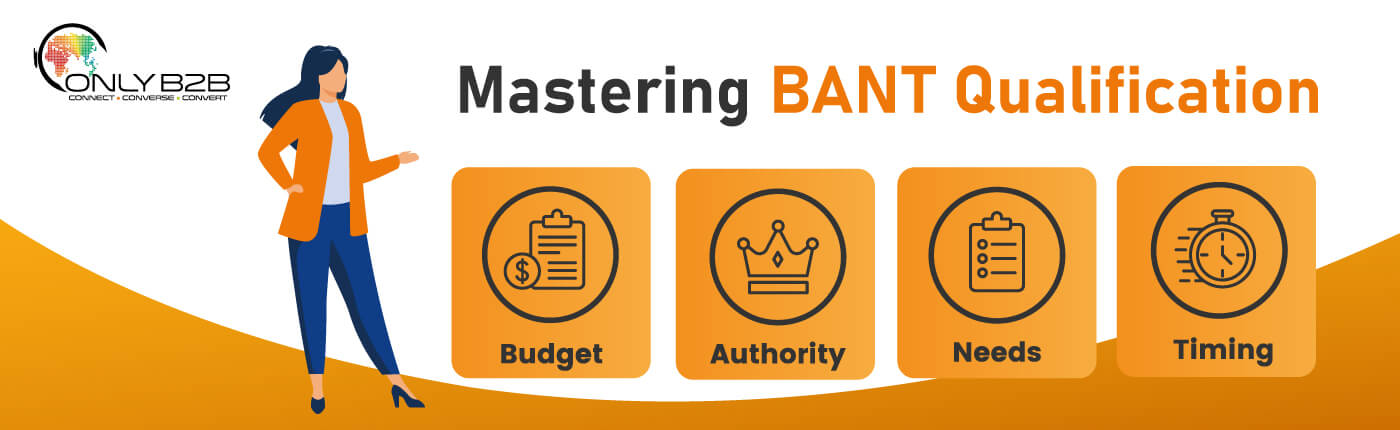
If you’re an SDR, scheduling appointments, especially in the realm of qualified appointment setting, should be at the top of your priority list.  This ability will assist you in connecting with a decision-maker with the authority to sign on the dotted line and acquire your product or service. If you sell yourself well enough on an appointment setting sales call, your prospect will agree to meet with you or an account executive for an active meeting or demo. Isn’t it simple enough?q Well, getting in touch with decision-makers isn’t simple. That is why setting appointments is seen as a standalone system. Here are some of the tried and true methods we employ to gain access to Very Important Top Officers (VITOs) and find a way into their busy schedules.  Must Read: Sales Success Secrets: The Critical Role of Lead Generation and Appointment Setting How to Reach Out To Decision-Makers Determine Your Target It’s critical to make sure you’re talking to the correct prospects before you pick up the phone and spend a couple of hours pitching. Every company has its own buying procedures and roles, so you’ll need to figure out who has the authority to approve your proposal. To prevent going on a wild goose chase, begin by asking yourself these questions. These questions are designed to help you set the record straight, because one of the most typical errors SDRs make is putting an equals sign between a decision-maker and a specific job description, presuming that there is only one person in control. In fact, the title of a decision-maker differs depending on the size of the company. Larger firms, for example, have purchasing committees or decision-making units (DMUs), thus knowing how many individuals are in charge of making a purchase decision is critical. In smaller businesses, the decision is usually made by one person. Finally, if your product or service will be used by several departments, it’s likely that their level-C leaders would want to be involved. You have to consider taking all this into account when creating a call list. Then it’s back to the long game: stay on the course and keep calling. Read this article about How to Use Account Based Marketing to Build The List of Descision-Makers? Lay The Foundation Ask yourself if you actually know who you’re contacting and how you can help them before you make a call and go for gold. The next stage in the process is to research your prospects and their business. The easiest method to guarantee you reach out to the correct individuals is to map out an organisation, but you’ll struggle to do so without sales intelligence. We’re talking about sales interaction tools and contact databases. This is the type of information you can get from these tools: Phone numbers that can be dialled directly Email addresses that have been verified Insights into opportunities Company statistics Stacks of technology And that’s only scratching the surface. Get help with the heavy lifting to save time and money, as well as make your job simpler. Auto-dialing, logical-branch scripting, appointment setup, and lead and sales monitoring are all included in various tools. This complete toolkit automates tedious and monotonous processes and ensures that you always have all of the information you need about the prospect you’re calling. Must Read: 5 Signs It’s Time to Outsource B2B Appointment Setting Make Each Minute Count When you finally get that decision-maker on the phone, keep in mind that they’ve had a day full of meetings, appearances, phone calls, and putting out fires — you’re just another chore on their to-do list. So, how can you make yourself stand out? Avoid talking yourself out of a bargain. Before you propose a solution, ask questions and listen to your prospect’s concerns and requirements — and remember to be human. Nobody likes to conduct business with a pushy salesperson, so concentrate on how your product may satisfy their specific requirements. Who wants to give their money to someone who is disorganized? Do not all raise your hands at the same time. Gather your personalized script, as well as any research or audience segmentation data, before calling prospects to persuade them to offer you The Golden Ticket. Never dismiss your prospect’s concerns. This is when planning comes in helpful. Make use of your facts to explain why your product is the best. If they say they can’t afford your service, show them why they can’t afford not to acquire it by demonstrating how it will boost their profits. Generic examples are no longer acceptable. According to survey by Salesforce, 85% of buyers feel it is critical for salespeople to exhibit a deeper understanding of their industry. Don’t just claim your product is efficient; mention something like, “Our product drastically lowered X times for our clients by upwards of 90%.” In a word, present a pitch that emphasizes your solution and its results. Tip: The more stats you have, the better. Must Read: A Brief Guide On Appointment Setting For B2B Sales Get Close To The Decision-Maker Who Makes The Decisions to Get Appointments. Sure, you want the appointment-setting sales call with the CEO or VP. However, it is not they who really pencil you in. The receptionists, secretaries, and assistants — aka the gatekeepers, who have more authority than you believe — are the folks you want to rub shoulders with. These are important people to have on your team since they may make or break your chances of reaching your high-ranking boss. There are three techniques to gain favour with gatekeepers: 1. Always be courteous. First (second, third, fourth, etc.) impressions are important, so don’t waste your time with them whining about how yet another sales call didn’t go as planned. Instead, take advantage of every opportunity to be courteous and establish rapport. Take down their name, pay attention to the little things, and use what you’ve learned to connect with them on a personal level. 2. Transparency is key. Introduce yourself rather than pitching. You’re

Fast-track your revenue generation with Pay-for-Performance marketing campaigns.