The Role of AI in BANT: Automating and Enhancing Lead Qualification 

In the dynamic realm of sales, the pursuit of qualified leads (Sales qualified or Marketing qualified) is a pivotal element that drives success. The BANT framework, encompassing Budget, Authority, Need, and Timeline, has long served as a guiding force in lead qualification. However, with the advent of Artificial Intelligence (AI), the landscape of lead qualification has witnessed a revolutionary transformation. In this blog, we delve deep into the role of AI in BANT, uncovering how AI not only automates but also enhances the entire lead qualification process.  Must Read: BANT vs MEDDIC: The Ultimate Guide to Choosing the Right Sales Framework The Role of AI in BANT: Automating and Enhancing Lead Qualification  Understanding the AI Revolution in Lead Qualification  AI has emerged as a transformative force in lead qualification, reshaping how businesses approach this crucial aspect of sales and marketing. Recent data indicates that over 80% of businesses that have implemented AI in their lead qualification processes have reported an increase in lead conversions. The reason behind this success lies in AI’s ability to process vast amounts of data, identify patterns, and make predictive assessments, all of which are essential for effective lead qualification.  Must Read: What Is BANT And How Can It Enable Your Sales Team? Automating Budget Assessment with AI  Traditionally, assessing a lead’s budget capacity was a time-consuming process that involved extensive research and data collection. AI has revolutionized this aspect of lead qualification by automating budget assessments. By leveraging historical financial data, market trends, and predictive analytics, AI can estimate a lead’s budget capacity accurately. This automation streamlines the qualification process, allowing sales teams to focus their efforts on high quaity leads whose budgets align with their offerings. Recent studies have shown that AI-driven budget assessments can increase lead qualification accuracy by up to 60%.  Must Read: BANT Qualified Leads: Accelerating Your Sales Journey Authority Identification Made Easy with AI  Identifying the right decision-makers within an organization has always been a challenge in lead qualification. AI-driven tools have simplified this process by scraping web content, social media profiles, and company databases to pinpoint individuals with the authority to make purchasing decisions. According to research by McKinsey, companies that utilize AI for authority identification experience a 50% improvement in lead conversion rates.  Must Read: Mastering BANT Qualification for Sales Success Meeting Needs: AI’s Personalization and Predictive Abilities  Personalization is a cornerstone of effective lead engagement, and AI excels in this regard. AI analyzes lead behavior on websites, social media, and email communications to create detailed lead profiles. This enables businesses to tailor their messaging and offer leads the information they require at the right time. Recent statistics reveal that personalized content generated by AI can increase lead engagement by up to 60%, resulting in more meaningful interactions.  Must Read: Steps to Reintroduce BANT in Modern B2B Sales Cycle Timing Is Everything: AI’s Real-Time Lead Scoring  Timing plays a crucial role in lead qualification, and AI ensures that businesses don’t miss opportunities. AI continuously monitors lead behavior, identifying signals of interest and engagement in real-time. This capability allows businesses to prioritize leads that are actively exploring their offerings, resulting in higher conversion rates. Industry reports suggest that AI-driven real-time lead scoring can increase conversion rates by an average of 42%.  Must Read: 3 Crazy Ways to Boost Lead Generation via Artificial Intelligence The Synergy of AI and CRM Systems in BANT  The integration of AI with Customer Relationship Management (CRM) systems has revolutionized lead qualification. AI-powered CRM platforms automatically update lead records, track interactions, and provide real-time insights to sales teams. This synergy empowers sales teams with up-to-date information, fostering better relationships and conversions. Businesses that combine AI with CRM systems report a remarkable 73% increase in sales productivity.  Must Read: The Role of AI in ABM: Enhancing Personalization and Efficiency AI Challenges and Pitfalls in BANT  While AI offers immense potential, it also presents challenges. Concerns about data privacy, ethical considerations, and the need for data quality management are areas that businesses must navigate when implementing AI in lead qualification. However, with the right strategies and technologies in place, these challenges can be effectively addressed.  Future Trends: AI’s Ongoing Evolution in Lead Qualification  The future of AI in lead qualification holds promise for even greater advancements. These may include enhanced natural language processing for more accurate lead understanding, sentiment analysis to gauge lead disposition, and even more advanced predictive capabilities. AI will continue to play a pivotal role in automating routine sales tasks, allowing sales professionals to focus on relationship-building and strategic activities.  Conclusion  In conclusion, AI has emerged as a transformative force in automating and enhancing lead qualification within the BANT framework. As businesses increasingly adopt AI-driven solutions, they gain a competitive edge by efficiently identifying high-quality leads, personalizing interactions, and making data-driven decisions. While challenges exist, the potential for growth and improved ROI is undeniable. With AI, bub2sinesses are not just generating leads; they are converting them into loyal customers, driving sustainable revenue growth in an AI-empowered world. As the AI revolution continues to reshape the realm of lead qualification, businesses that embrace this transformation will find themselves well-positioned for success in the evolving sales automation landscape. 

Lead Scoring Strategies That Boost Conversion Rates: The Road to Sales Success 

In today’s fiercely competitive business landscape, converting leads into loyal customers is the goal. Lead scoring, a critical component of any successful sales and marketing strategy, can be the bridge that guides your leads towards conversion. In this comprehensive guide, we will unravel the lead scoring strategies, explore its key components, and delve into effective strategies that can skyrocket your conversion rates. So, let’s embark on this journey of understanding and optimizing lead scoring to drive your business towards success.  Must Read: How to Rock Your Lead Scoring System Using These 3 Best Practices  Lead Scoring Strategies That Boost Conversion Rates: The Road to Sales Success  In the realm of sales and marketing, identifying the most promising leads from a pool of prospects is akin to finding a needle in a haystack. This is where lead scoring enters the picture. It’s a methodology that assigns a numerical value or score to each lead based on their interactions with your brand and their characteristics.  Effective lead scoring is not just a nice-to-have but a necessity in today’s data-driven world. Let’s explore how it can revolutionize your conversion rates.  Must Read: Revolutionizing Lead Generation with Automated Lead Qualification: A Data-Driven Guide Understanding Lead Scoring  Lead scoring is grounded in data and analytics. It’s a systematic approach that quantifies the quality of leads, allowing sales and marketing teams to prioritize their efforts. But why is it so important?  Must Read: How to Qualify Inbound Leads? Benefits of Effective Lead Scoring  Data from Marketo suggests that businesses that excel at lead scoring generate 50% more sales-ready leads at a 33% lower cost. That’s a compelling reason to embrace effective lead scoring strategies.  Sales Funnel Efficiency: Effective lead scoring streamlines the sales funnel by focusing resources on leads with a higher likelihood of converting. This efficiency can significantly impact on your bottom line.  Marketing Automation Benefits: According to Forrester Research, companies using marketing automation can experience a 10% increase in revenue in as little as 6-9 months. Lead scoring is a vital component of successful marketing automation.  CRM Integration for Lead Scoring: Integrating lead scoring with your Customer Relationship Management (CRM) system ensures seamless data flow and aids in better lead tracking and management.  Lead Nurturing Best Practices: Lead scoring helps tailor lead nurturing efforts to individual leads’ needs, improving engagement and trust-building.  Must Read: Automating B2B List Building: Tools and Techniques for Streamlined Lead Generation Key Components of Lead Scoring Strategies  Before diving into strategies, it’s essential to understand the key components that make up lead scoring:  1. Predictive Lead Scoring  Predictive lead scoring employs advanced analytics and machine learning algorithms to predict which leads are most likely to convert. It’s highly effective because it considers a broad range of data points, including historical data and online behavior.  2. Behavioral Scoring Techniques  Behavioral scoring tracks how leads interact with your brand. This includes website visits, email openings, click-through rates, and other online behaviors. Each interaction is assigned a score, contributing to the lead’s overall score.  3. CRM Integration for Lead Scoring  Integrating lead scoring with your CRM system ensures that lead data is synchronized across your organization. This facilitates better communication and decision-making, enabling teams to act on the most up-to-date information.  Must Read: Sales Success Secrets: The Critical Role of Lead Generation and Appointment Setting Effective Lead Scoring Strategies  Now that we’ve laid the groundwork let’s explore some effective lead scoring strategies that can drive conversion rates through the roof:  Lead Segmentation: Divide your leads into distinct segments based on demographics, behavior, and engagement. This allows for tailored communication and more personalized nurturing.  Scoring Thresholds: Define clear scoring thresholds that determine when a lead is “sales ready.” This ensures that your sales team focuses on the most qualified leads (Sales Qualified or Marketing Qualified).  Feedback Loops: Regularly review and refine your lead scoring criteria based on feedback from your sales team. This keeps the scoring system aligned with the evolving needs of your organization.  Must Read: Data Cleansing Automation: Enhancing Efficiency and Reducing Manual Efforts Leveraging Automation for Lead Scoring  Automation is the backbone of modern lead scoring strategies. It ensures consistent and objective scoring while saving time and resources. With marketing automation tools like HubSpot, businesses can automate lead scoring based on predefined criteria, ensuring that no lead falls through the cracks.  Must Read: What are the Best Ways to Generate Leads? Challenges and Pitfalls to Avoid  While lead scoring can significantly boost your conversion rates, there are challenges to be mindful of:  Data Quality: Inaccurate or incomplete data can lead to flawed scoring. Regularly audit and clean your data to maintain accuracy.  Over-Scoring: Be cautious not to assign too high a score too early. Over-scoring can result in wasting resources on leads that aren’t truly sales ready.  Static Scoring: Your lead scoring system should evolve with your business. Don’t set it and forget it. Regularly review and adjust your scoring criteria.  Must Read: Implement Automation Tools To Soar Your ABM Efforts Measuring and Monitoring Success  To ensure your lead scoring strategies are working effectively, you need to measure and monitor their success. Utilize analytics tools to track conversion rates, lead quality, and the impact on your sales funnel efficiency. Continuous monitoring allows you to make data-driven adjustments in real time.  Conclusion  Effective lead scoring strategies are the backbone of modern sales and marketing efforts. By understanding the key components, embracing automation, and implementing proven strategies, you can drive your conversion rates to new heights. Remember that lead scoring is not a static process; it should evolve with your business and customer behavior. By doing so, you’ll be well on your way to converting more leads into loyal customers and achieving sustainable business growth.  Must Read: How to Improve Lead Quality?

The Role of Email Marketing in Nurturing Marketing Qualified Leads

In the ever-evolving landscape of business, acquiring leads is merely the initiation of a more intricate process – the journey from potential leads to valuable customers. Welcome to the world of Marketing Qualified Leads (MQLs), a pivotal segment showcasing substantial interest in your offerings. This comprehensive blog delves into the pivotal role that email marketing plays in nurturing MQLs, transforming them into loyal patrons. MQLs are those prospective customers who have interacted significantly with your brand, signifying their eagerness for further engagement. Nurturing MQLs is a cornerstone of effective marketing. Research indicates that nurtured leads tend to make purchases 47% larger than those who haven’t been nurtured. Email marketing emerges as a strategic powerhouse in this nurturing process, playing a pivotal role in establishing connections and delivering tailored content to MQLs. Must Read: The 6 Important Metrics To Measure Your Email Marketing Campaign The Role of Email Marketing in Nurturing Marketing Qualified Leads Navigating the Landscape of MQL Nurturing  A deep understanding of MQL nurturing is the cornerstone of successful campaigns. Email marketing, with its capacity for personalization and tailored content, takes the center stage in this endeavor. Must Read: Email Marketing And Content Marketing – The Perfect Brew Crafting MQL Nurturing Emails for Maximum Impact Personalization through Segmentation  Segmenting your MQLs allows you to craft personalized messages, driving engagement. Data from Statista shows that personalized emails enjoy 18.8% open rates, a stark contrast to the 13.1% rate for non-personalized emails. Aligning Content with the Buyer’s Journey: Effective emails map the content to where MQLs stand in their journey. A study by Sirius Decisions reveals that aligned content can boost conversion rates by 72%. The Power of Subject Lines and Open Rate Optimization: The subject line is your gateway to engagement. According to HubSpot, emails with personalized subject lines see a 26% higher open rate. Compelling Email Copy that Captivates: Engaging email copy is essential. A study from Super Office suggests that emails sent at a reading level of a third grader had a 36% higher response rate. Driving Action through Clear CTAs: Well-placed Call-to-Actions (CTAs) prompt MQLs to take action. A study by Campaign Monitor underscores that emails with a single CTA can increase clicks by 371%. Must Read: MQL to SQL Conversion Rate Designing Email Campaigns Tailored for MQLs: The Drip Campaign Strategy for Consistency: Drip campaigns, a series of timed emails, maintain consistent communication. A study by Emma reveals that relevant targeted emails generate 18 times more revenue than globally broadcast emails. Embracing Marketing Automation Tools:  Marketing automation expedites the process. According to VentureBeat, businesses that use marketing automation to nurture leads experience a 451% increase in qualified leads. Mastering Timing and Frequency of Email Sending:  The timing of your email matters. Experian reports that emails sent between 8 PM and midnight have the highest opening rates. Enhancing Through A/B Testing:  A/B testing refines your campaigns. MailChimp’s data shows that A/B testing can lead to an average 49.5% uplift in click rates. Must Read: Inbound vs. Outbound Lead Generation: Finding the Right Mix for MQLs Strategic Lead Nurturing with Email Marketing Welcoming MQLs with Open Arms: Welcome emails are powerful. According to Experian, welcome emails have a 58.7% open rate, highlighting their engagement potential. Empowering Through Educational Content:  Educational content cements your credibility. According to a DemandGen Report, 51% of B2B buyers rely more on content to research than on company websites. Showcasing Success Stories with Impact:  Real-life success stories build trust. Research by G2 and Heinz Marketing underscores that 92% of B2B buyers are more likely to purchase after reading a trusted review. Unlocking Opportunities with Exclusive Offers:  Exclusive offers drive action. Epsilon reports that triggered emails with promotions have transaction rates 164% higher than non-triggered ones. Reviving Dormant MQLs through Re-Engagement:  Emails rekindle interest. According to Campaign Monitor, re-engagement emails enjoy a 38.9% open rate, making them a powerful tool. Must Read: How to Leverage Account-Based Marketing (ABM) for Marketing Qualified Leads Quantifying Success: Measuring Email Campaign Performance  Essential Metrics for Tracking Success:  Open rates, click-through rates, and conversion rates provide crucial insights into your campaign’s performance. Analyzing Engagement and Conversion Rates:  Scrutinize how your emails engage and drive conversions. According to Adobe, personalized emails drive six times higher transaction rates. Leveraging Analytics for Ongoing Enhancement:  Data-driven insights optimize campaigns. MarketingProfs reveals that 80% of marketers believe personalized content is more effective. Must Read: Important Ways To Generate Marketing Qualified Leads Navigating Deliverability and Compliance Challenges:  Ensuring a Clean Email List:  Maintain a clean email list to avoid deliverability issues. HubSpot suggests removing unengaged subscribers every six months. Steering Clear of Spam Traps and Blacklists: Vigilance is key to avoiding email pitfalls. Return Path reports that 68% of email recipients decide to report spam based solely on the subject line. Upholding Data Protection Regulations:  Complying with data protection rules fosters trust. According to Epsilon, 80% of consumers are more likely to purchase when brands offer personalized experiences. Must Read: Top Reasons to Hold On to MQLs: They Will Convert Eventually If Marketing Is Done Correctly Synthesizing Email Marketing with Multichannel Strategies  Synchronizing Email with Social Media Efforts:  Coordinating email and social media amplifies your reach. Research by Nielsen Norman Group indicates that users exposed to a brand on both social media and email are 22% more likely to convert. Aligning Email and Content Marketing Endeavors:  Coherence between email and content boosts engagement. CMI’s research confirms that 67% of best-in-class marketers integrate content with email for better results. Email’s Integral Role in Multichannel Initiatives: Leveraging email across channels maximizes impact. Salesforce’s “State of Marketing” report shows that 78% of marketers see email as core to their business. Conclusion: In the world of nurturing MQLs, email marketing emerges as a formidable ally. From personalized content to data-driven insights, email campaigns foster connections that lead to customer loyalty and business growth. Recognizing the potential of email marketing in cultivating these relationships is key to crafting a thriving marketing strategy.

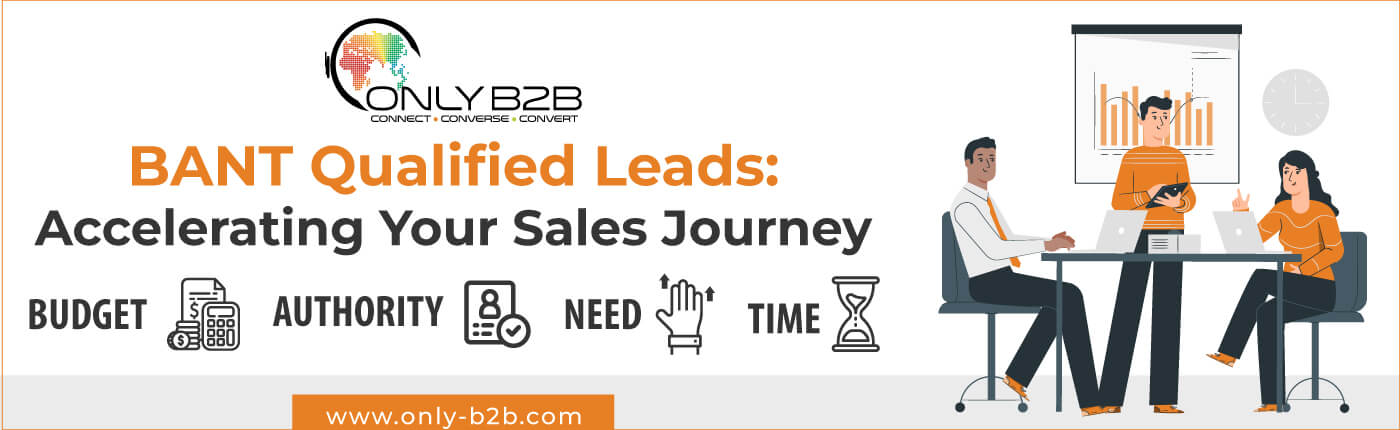
BANT Qualified Leads: Accelerating Your Sales Journey

In the current highly competitive business environment, generating high-quality leads and expediting the sales journey is of utmost importance. BANT qualification, a well-established approach in lead assessment, has revolutionized the game by offering a framework to evaluate prospects and identify sales-ready leads. Implementing BANT qualification results in a 20% increase in sales opportunities, while organizations prioritizing BANT-qualified leads achieve 20% higher win rates. Companies utilizing BANT qualification experience a remarkable 72% improvement in lead-to-opportunity conversion rates, and businesses leveraging BANT qualification witness a significant 36% higher average deal size. Furthermore, BANT-qualified leads have an astounding 202% higher chance of converting into sales compared to non-qualified leads. By harnessing BANT qualified leads, businesses can optimize their sales process, allocate resources effectively, and focus efforts on prospects exhibiting the necessary criteria. This targeted approach not only accelerates the sales journey but also leads to higher conversion rates and increased revenue. In this blog we will explore the transformative power of BANT qualified leads, delve into best practices for implementation, and examine real-world case studies showcasing its impact. Unlock the potential of BANT qualification and propel your sales journey to unprecedented success.  Must Read: BANT vs MEDDIC BANT Qualified Leads: Accelerating Your Sales Journey Understanding BANT Qualification: BANT qualification is a strategic process that enables sales teams to focus their efforts on prospects who have the potential to become valuable customers. According to a study conducted by LinkedIn, B2B buyers are 5x more likely to engage with a sales representative if the outreach is personalized to their specific business needs. BANT qualification allows sales teams to tailor their approach and engage with prospects who meet the criteria for budget, authority, need, and timeline, increasing the likelihood of successful conversions. The BANT Sales Process: The BANT sales process follows a systematic approach to assess and qualify leads (Marketing qualified or Sales qualified). It begins with identifying the budget of the prospect, ensuring they have the financial means to make a purchase. According to a survey by Demand Gen Report, 82% of B2B buyers have a spending threshold in mind when evaluating potential solutions. Next, the authority of the prospect is evaluated to determine if they have decision-making power or influence within the organization. A study by Gartner revealed that an average of 6.8 stakeholders are involved in B2B purchase decisions. The need of the prospect is then assessed to understand their pain points and how your product or service can address them. Finally, the timeline is established to determine the urgency of their purchase decision. According to InsideSales.com, 50% of B2B sales go to the vendor who responds first. Mus Read: What Is BANT And How Can It Enable Your Sales Team? Implementing BANT Lead Qualification: Implementing BANT lead qualification requires a collaborative effort between sales and marketing teams. It is essential to align B2B lead generation efforts with BANT criteria. According to a report by Marketo, organizations that align their sales and marketing teams achieve an average of 32% annual revenue growth. By integrating BANT into the lead qualification process, businesses can ensure that only qualified prospects are passed on to the sales team, saving time and resources. BANT Lead Generation Strategies: To generate BANT qualified leads, businesses can employ various strategies. Content marketing plays a significant role in attracting and engaging prospects who meet the BANT criteria. According to Demand Metric, content marketing generates three times as many leads as traditional outbound marketing, making it an effective strategy for generating targeted leads. Additionally, leveraging data analytics and marketing automation tools can help identify potential leads who align with the BANT framework. A study by Forrester Research found that companies that excel at lead nurturing generate 50% more sales-ready leads at a 33% lower cost per lead. Streamlining the BANT Qualification Process: Streamlining the BANT qualification process involves leveraging technology and automation tools. Implementing a customer relationship management (CRM) system allows for efficient lead tracking, data analysis, and streamlined communication between marketing and sales teams. According to Nucleus Research, companies that utilize CRM systems achieve an average ROI of $8.71 for every dollar spent, highlighting the value of streamlining the BANT qualification process. Must Read: Steps to Reintroduce BANT in Modern B2B Sales Cycle Enhancing BANT Sales Qualification: To maximize the effectiveness of BANT sales qualification, continuous training and development for sales teams are essential. Providing comprehensive training on the BANT framework, equipping them with effective sales techniques, and empowering them with sales enablement tools can significantly improve the conversion rate of BANT qualified leads. According to CSO Insights, organizations that provide ongoing training for their sales teams see a 50% higher win rate. This underscores the importance of investing in the development of sales professionals to enhance their BANT qualification skills. Conclusion: The power of BANT qualified leads in accelerating the sales journey and driving revenue growth cannot be underestimated. By implementing the BANT qualification process, businesses can effectively prioritize their efforts and focus on qualified prospects who possess the necessary budget, authority, need, and timeline. The data and statistics presented throughout this blog have shed light on the significant impact of BANT qualification on sales success. By leveraging BANT lead generation strategies, streamlining the qualification process, and enhancing sales qualification techniques, organizations can generate high-quality leads, target their efforts, and increase conversion rates. This targeted approach ensures that sales teams engage with qualified prospects, leading to quicker deal closures and an expedited sales journey, ultimately helping to increase sales-qualified leads. The concept of BANT qualification has become a cornerstone in today’s fiercely competitive business landscape. It empowers companies to identify and engage with sales-ready leads, resulting in enhanced efficiency and improved outcomes. By embracing BANT qualified leads, businesses can harness the full potential of their sales efforts and unlock new levels of success. So, let the power of BANT qualified leads guide your sales journey. By focusing on high-quality leads, qualified prospects, sales-ready leads, targeted efforts, and conversion-ready prospects, you can navigate the competitive landscape with confidence and drive your business

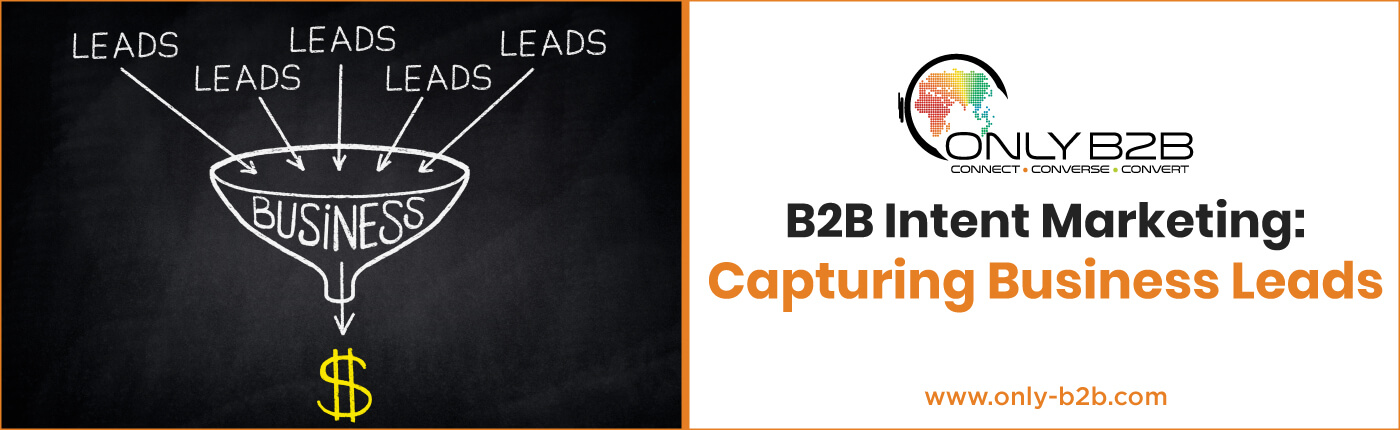
B2B Intent Marketing: Capturing Business Leads

In the fast-paced world of B2B marketing, understanding the intent of potential buyers is a game-changer. B2B Intent Marketing is a strategic approach that involves identifying and leveraging intent signals to capture high-quality leads. By recognizing the needs and interests of prospects, businesses can tailor their marketing efforts to drive impactful campaigns and achieve higher conversion rates. B2B Intent Marketing: Capturing Business Leads Understanding the Buyer’s Journey and Intent Signals The buyer’s journey is a critical aspect of B2B Intent Marketing. It encompasses the various stages a prospect goes through before making a purchasing decision. Intent signals, such as website visits, content consumption, and search behavior, provide valuable insights into a prospect’s intent and preferences. By analyzing these signals with sophisticated buyer intent data tools, businesses can gain a deeper understanding of their target audience and align their marketing strategies accordingly. Must Read: A Guide to Using Intent Data in Your ABM Program Leveraging Intent Data for Targeted Marketing Campaigns Intent data is the fuel that powers effective B2B Intent Marketing campaigns. It offers valuable information about the interests, pain points, and purchase intent of potential customers. By leveraging intent data, businesses can segment their audience based on specific intent signals and create highly targeted marketing campaigns. This allows for personalized messaging and tailored content that resonate with high-intent prospects, resulting in increased engagement and higher conversion rates. Creating Personalized Content for High-Intent B2B Prospects Personalization is a key driver of success in B2B Intent Marketing. With access to intent data, businesses can create highly relevant and personalized content that addresses the specific needs and challenges of high-intent prospects. By delivering content that speaks directly to their pain points and offers tailored solutions, businesses can establish trust, credibility, and ultimately, nurture leads towards conversion. Implementing Intent Marketing in B2B Lead Generation B2B Intent Marketing is a powerful tool for B2B lead generation. By focusing on high-intent prospects, businesses can prioritize their resources and efforts effectively. This approach enables them to concentrate on prospects who are actively researching solutions or displaying clear buying signals. By delivering targeted content, nurturing these leads through personalized campaigns, and aligning marketing and sales efforts, businesses can increase their chances of converting high-intent prospects into loyal customers. This is all possible thanks to the benefits of intent data, which allows for a deeper understanding of buyer needs and interests. Measuring the Effectiveness of B2B Intent Marketing Measuring the effectiveness of B2B Intent Marketing is crucial for ongoing optimization and success. Key metrics such as lead quality, conversion rates, and ROI provide insights into the impact of intent-based marketing campaigns. By tracking these metrics, businesses can identify areas for improvement, refine their strategies, and allocate resources effectively to maximize results. Must Read: Best B2B Intent Data Providers Future Trends and Innovations in B2B Intent Marketing The world of B2B Intent Marketing is constantly evolving. Emerging trends include the use of artificial intelligence and machine learning algorithms to analyze intent signals more accurately. Predictive intent modeling and real-time intent monitoring are gaining prominence as businesses seek to stay ahead of the competition and deliver more personalized experiences. As technology continues to advance, B2B Intent Marketing will likely witness further innovations and opportunities for businesses to leverage intent data in their marketing strategies. Understanding how intent data is collected and implementing these insights effectively will be crucial for staying ahead of the curve. Wrapping up B2B Intent Marketing is a powerful approach for capturing business leads in the digital era. By understanding the buyer’s journey, leveraging intent data for lead generation, creating personalized content, and aligning marketing and sales efforts, businesses can effectively capture high-intent prospects and drive meaningful engagement. By measuring campaign effectiveness and staying abreast of future trends, businesses can continually optimize their B2B Intent Marketing strategies and unlock new opportunities for growth.

How SDR-as-a-Service Lowers the Cost of Qualified B2B Leads/Appointments

In the ever-evolving world of B2B sales, generating high-quality leads and securing qualified appointments can be costly and time-consuming. However, there is a game-changing solution that businesses can tap into: Sales Development Representatives (SDRs) as a Service. This blog explores the transformative power of SDR-as-a-Service in reducing the cost of obtaining qualified B2B leads and appointments. By delving into the benefits and substantiating them with industry references and statistics, we shed light on how this innovative approach can revolutionize lead generation while optimizing cost efficiency.  How SDR-as-a-Service Lowers the Cost of Qualified B2B Leads/Appointments 1. Streamlined Lead Generation Process: SDR-as-a-Service providers specialize in prospecting, lead qualification (sales qualified or marketing qualified), and appointment setting, offering businesses a streamlined and efficient lead generation process. According to a study by Sales Hacker, organizations utilizing outsourced SDR services witnessed a 38% increase in their lead-to-opportunity conversion rates. 2. Access to Expertise and Scalability: By partnering with SDR-as-a-Service providers, businesses gain access to a pool of experienced professionals who excel in generating high-quality leads. These experts possess in-depth knowledge of sales strategies, market trends, and the best practices required to engage with potential customers. Furthermore, SDR-as-a-Service providers offer scalability, allowing businesses to adjust the resources dedicated to lead generation as per their specific needs. 3. Cost Savings and Improved ROI: The financial benefits of utilizing SDR-as-a-Service are compelling. By outsourcing lead generation and appointment setting, businesses can eliminate the need for hiring, training, and managing an in-house team of SDRs. According to a report by HubSpot, companies that outsource their SDR functions achieved an average 25% reduction in lead generation costs, resulting in improved return on investment (ROI). 4. Higher Conversion Rates: The expertise and specialization of SDR-as-a-Service providers directly contribute to higher conversion rates. By leveraging proven strategies and effective lead nurturing techniques, these providers can effectively engage with prospects, qualify them, and secure appointments with decision-makers. According to a survey conducted by InsideSales.com, organizations utilizing SDR services experienced a 42% increase in their conversion rates. Must Read: Reasons Why SDR As A Service Can Be A Game-changer For Businesses Of All Sizes 5. Time Efficiency and Focus on Core Competencies: Outsourcing lead generation and appointment setting tasks to SDR-as-a-Service providers allow businesses to allocate their valuable time and resources to core competencies. By offloading these responsibilities, sales teams can focus on nurturing existing leads, closing deals, and driving revenue growth. Conclusion: SDR-as-a-Service is revolutionizing B2B lead generation and appointment setting by offering a cost-effective, scalable, and results-driven approach. By outsourcing these functions to specialized service providers, businesses can significantly reduce costs while benefiting from expert knowledge, streamlined processes, and measurable results. Embracing SDR-as-a-Service enables organizations to focus on their core competencies, accelerate revenue growth, and stay ahead of the competition in today’s dynamic business landscape.

How to Generate Leads for B2B Sales: Unconventional Strategies

Generating leads in B2B sales is a challenge for businesses of all sizes. While there are many conventional ways to generate leads, such as cold calling, email marketing, and advertising, these methods are becoming less effective due to increased competition and changing customer behavior. As a result, businesses are looking for new and unconventional ways to generate qualified leads (Sales qualified or marketing qualified) and build relationships with potential customers. In this blog, we will explore some strategies on how to generate leads in B2B sales that you may not have considered before. These methods include hosting webinars, creating referral programs, leveraging social media, LinkedIn Marketing, attending industry conferences, using influencer marketing, offering free trials, creating a podcast, conducting surveys, and creating interactive content. By exploring these unconventional methods, you can tap into new audiences, build trust and credibility with potential customers, and generate a steady stream of qualified leads that can help your business thrive. Each of these methods requires a unique approach and strategy, but they all have the potential to help you reach new customers and grow your business. In the following sections of this blog, we will explore each of these methods in detail, providing tips and best practices for implementing them effectively. Ultimately, the key to success is to be creative, strategic, and willing to try new things. With the right approach, you can generate a steady stream of qualified leads that will help your business grow and thrive in the long term. Here are Some Ways to Generate Leads in B2B Sales Host webinars and workshops Hosting webinars and workshops is a great way to generate qualified B2B sales leads. These events allow you to showcase your expertise and educate your target audience about your product or service. By providing valuable information, you can attract potential customers who are interested in your product or service. You can also use webinars and workshops to build relationships with your audience, answer their questions, and address their concerns. This will help you establish yourself as a trusted authority in your field and increase your chances of converting leads into customers. Read this insightful article to know more about MQL to SQL conversion rate. Leverage social media Social media is a powerful tool for generating qualified B2B sales leads. You can use social media platforms like LinkedIn, Twitter, and Facebook to reach out to your target audience and promote your product or service. Understanding the difference between MQLs and SQLs (Sales Qualified Leads) is crucial for nurturing leads and closing deals. By sharing valuable content, engaging with your audience, and building relationships with influencers in your industry, you can attract potential customers who are interested in what you have to offer. Offer free trials and demos In addition to understanding how to generate leads for B2B sales, offering free trials and demos is an effective way to attract qualified leads. By giving your potential customers a taste of what you have to offer, you can convince them to try your product or service. This will help you build trust with your audience and increase your chances of converting leads into customers. You can also use free trials and demos to collect feedback from your audience, which can help you improve your product or service. Use referral marketing By incentivizing your existing customers to refer new customers to you, you can tap into their networks and reach a wider audience, ultimately generating qualified B2B sales leads. This approach is one of the effective ways to get sales-qualified leads by leveraging trust and familiarity within existing networks. You can offer discounts, freebies, or other incentives to your existing customers for each new customer they refer to you. This will not only help you generate qualified leads but also increase customer loyalty and retention. Must Read: What is Sales Qualified Lead? Create valuable content By providing valuable information that addresses the pain points of your target audience, you can attract potential customers who are interested in your product or service. This content creation strategy plays a crucial role in how to generate leads for B2B sales. You can use various formats such as blog posts, videos, infographics, whitepapers, and case studies to deliver your content. You can also optimize your content for search engines to increase your visibility and generate more B2B leads. Attend niche events and conferences While attending general events and conferences can be overwhelming, attending niche events and conferences can be a great way to generate B2B sales leads without cold calling. These events allow you to connect with your target audience in a more intimate setting and establish relationships with potential customers. You can also use these events to showcase your expertise, promote your product or service, and learn about the latest trends in your industry. Participate in online forums and communities Participating in online forums and communities is a great way to generate more qualified sales leads. By joining relevant groups on platforms like LinkedIn, Quora, and Reddit, you can connect with your target audience and establish yourself as a trusted authority in your field. You can also use these platforms to answer questions, share valuable information, and promote your product or service. Create a Podcast Creating a podcast is a unique way to generate leads for B2B sales. By hosting a podcast, you can share valuable insights and expertise with your target audience, establish yourself as a thought leader in your industry, and attract potential customers who are interested in your products or services. Incorporating sales storytelling into your episodes can further captivate and engage listeners, turning them into potential leads. The content you provide should cater to listeners at various stages of the buyer’s journey, nurturing leads and helping them progress from MQLs (Marketing Qualified Leads) to HQLs (Highly Qualified Leads) by demonstrating the value you can offer. To further incentivize engagement and capture leads, you can require listeners to provide their contact information to access bonus content or exclusive offers. Conduct Surveys

Important Ways To Generate Marketing Qualified Leads

Generating marketing qualified leads is an essential aspect of any B2B marketing strategy. It’s a process that can be challenging but is ultimately rewarding if done correctly. As a business owner or marketer, you know how important leads are to the success of your business. However, not all leads are created equal. In fact, one of the most critical aspects of lead generation is understanding the difference between a lead and a qualified lead. Must Read: MQL to SQL conversion rate Know What A Qualified Lead is A lead is simply someone who has shown some level of interest in your product or service. They may have filled out a form on your website, called your sales team, or even visited your store. However, just because someone has expressed some interest in your business, it doesn’t necessarily mean that they are a good fit or have a high likelihood of becoming a customer. This is where qualified leads come in. A qualified lead is a lead who meets certain criteria that make them more likely to become a customer. These criteria can vary depending on your business and industry, but some common examples include: Demographics – This could include things like age, gender, job title, or location. For example, if you sell a product that is primarily used by women over the age of 35, then a qualified lead would be someone who fits that demographic. Behavior – This could include things like how many times they’ve visited your website, what pages they’ve viewed, or whether they’ve interacted with your brand on social media. If someone has shown a high level of engagement with your brand, they are more likely to be a qualified lead. Timing – Timing can be an important factor in determining whether a lead is qualified. For example, if someone has recently expressed interest in your product or service, they may be more likely to become a customer than someone who expressed interest months ago. Budget – Depending on your product or service, a qualified lead may need to have a certain budget in order to make a purchase. For example, if you sell enterprise software, a qualified lead may be a business that has a budget of at least $50,000 for software purchases. So why is it important to focus on generating qualified leads rather than just any leads? There are several reasons: Higher Conversion Rates – Qualified leads are more likely to become customers because they already meet the criteria for being a good fit for your business. This means that your sales team can focus their efforts on leads that are more likely to convert, leading to higher conversion rates. Better ROI – When you focus on generating qualified leads, you can avoid wasting time and resources on leads that are unlikely to become customers. This means that your marketing and sales efforts are more efficient and can provide a better return on investment. Improved Customer Experience – When you focus on generating qualified leads, you can provide a better customer experience because you are targeting people who are more likely to be interested in your product or service. This can lead to more satisfied customers and better reviews for your business. Must Read: Important Ways To Generate Marketing Qualified Leads Now that we understand the basics, lets move on to important ways to generate B2B marketing qualified leads. Define Your Ideal Customer Profile The first step in generating marketing qualified leads is to define your ideal customer profile. This is a description of the type of customer that is most likely to buy your product or service. You need to consider factors such as industry, company size, job title, and pain points. Having a clear understanding of your ideal customer profile will help you create more targeted marketing campaigns that will resonate with your target audience. Create High-Quality Content Creating high-quality content is essential for generating marketing qualified leads. Content can come in many forms, including blog posts, whitepapers, eBooks, infographics, and webinars. The key is to create content that provides value to your target audience and addresses their pain points. When your content is informative, engaging, and useful, it will attract potential customers and encourage them to engage with your brand. Use Social Media Social media is an excellent tool for generating B2B marketing qualified leads. LinkedIn is particularly useful for B2B marketing, as it is a professional networking platform that allows you to connect with decision-makers in your target industry. You can use LinkedIn to share your content, engage with your audience, and build relationships with potential customers. Employ Search Engine Optimization (SEO) SEO is a powerful tool for generating B2B marketing qualified leads. By optimizing your website and content for search engines, you can attract potential customers who are actively searching for products or services like yours. This can help increase your website traffic and generate more leads. Host Webinars Webinars are an excellent way to generate marketing qualified leads. They allow you to provide valuable information to your target audience while also giving you the opportunity to showcase your expertise. Webinars also provide an excellent opportunity to engage with potential customers and answer their questions. You can use webinars to generate leads by requiring attendees to provide their contact information in exchange for access to the webinar. Optimize Your Website Your website is one of your most valuable marketing assets, and it’s essential to optimize it for lead generation. This means making sure your website is easy to navigate, providing valuable content, and using clear calls to action. You should also make sure your website is mobile-friendly and optimized for search engines so that potential customers can find your site. Use Email Marketing Email marketing is an effective way to generate marketing qualified leads. You can use email to promote your content, offer exclusive promotions to subscribers, and provide information about your product or service. When sending marketing emails, it’s important to personalize them and segment your

A Beginner’s Guide to Generating Business Leads

Generating leads is a crucial part of any business-to-business (B2B) sales and marketing strategy. As a B2B company, your success depends on your ability to generate B2B leads and convert them into paying customers. Lead generation is the process of attracting and nurturing potential customers with the goal of turning them into long-term, profitable relationships. In this blog, we’ll explore the key strategies and tactics you can use to generate high-quality leads for your B2B business. Here is a beginner’s guide to help you get started: What is a B2B Lead A B2B lead is a potential customer who has shown interest in a business-to-business (B2B) company’s products or services. In B2B marketing, leads are individuals or organizations that are considered to have the potential to become paying customers. They are typically identified through various lead generation strategies, such as attending industry events, creating valuable content, and utilizing social media. The goal of B2B lead generation is to attract, nurture, and convert these leads into long-term, profitable relationships. B2B leads are often different from B2C leads in that they involve more complex sales cycles, higher ticket prices, and longer decision-making processes. What is lead generation? Lead generation is the process of attracting and nurturing potential customers for a business with the goal of turning them into long-term, profitable relationships. The objective of lead generation is to identify individuals or organizations that have the potential to become paying customers and to provide them with information and resources that can help them make informed purchasing decisions. Lead generation can involve a variety of tactics and strategies, including creating valuable content, attending industry events, utilizing social media, optimizing website and landing pages, and using email marketing. The leads generated through these efforts are typically tracked and scored based on their engagement and potential to become a customer, so that the business can prioritize their lead nurturing and conversion efforts. Must Read: 6 Reasons You Are Failing To Generate Quality B2B Leads The Importance of Lead Generation: Lead generation is important for businesses because it helps to identify and nurture potential customers who have the potential to become long-term, profitable relationships. By generating leads, businesses can: Increase Awareness: Lead generation helps to increase awareness about a business’s products or services and can reach new audiences. This can help to expand the business’s customer base and attract new customers. Drive Sales: By nurturing leads and providing them with valuable information and resources, businesses can increase the likelihood of converting leads into paying customers. This, in turn, drives sales and revenue for the business. Improve Marketing ROI:  Lead generation allows businesses to focus their marketing efforts on individuals and organizations that have a high potential to become customers. This helps to improve the return on investment (ROI) of marketing efforts and ensure that resources are being used effectively. Build Relationships:  Lead generation helps businesses to build relationships with potential customers by providing valuable information and resources, and engaging with them through various marketing channels. This can help to establish trust and credibility, and increase the likelihood of converting leads into customers. In short, lead generation is critical for the success of any business. It helps to identify and nurture potential customers, drive sales, improve marketing ROI, and build relationships. By implementing effective lead generation strategies, businesses can grow their customer base and achieve long-term success. Must Read: High-Performance Inbound Marketing Techniques for Successful Lead Generation Campaigns Types of Leads generation There are several types of lead generation that businesses can use to attract and nurture potential customers: Inbound Lead Generation: This type of lead generation involves attracting potential customers to a business through valuable content, such as blog posts, e-books, webinars, and infographics. Inbound lead generation is focused on providing valuable information to potential customers and building relationships over time. Outbound Lead Generation: This type of lead generation involves actively reaching out to potential customers through tactics such as cold calling, direct mail, email campaigns, and paid advertising. Outbound lead generation is often more direct and focused on generating leads quickly. Event Lead Generation:  This type of lead generation involves attending and participating in events, such as trade shows, conferences, and webinars, to meet potential customers and generate leads. Event lead generation allows businesses to connect with potential customers in person and provide them with information and resources. Referral Lead Generation:  This type of lead generation involves leveraging personal and professional networks to generate leads and referrals. Referral lead generation can be an effective way to reach new potential customers and generate leads quickly. Social Media Lead Generation:  This type of lead generation involves utilizing social media platforms, such as LinkedIn, Twitter, and Facebook, to connect with potential customers and generate leads. Social media lead generation can be an effective way to reach new audiences and engage with potential customers on a more personal level. Each type of lead generation has its own strengths and weaknesses, and the best approach will depend on the business’s goals, target audience, and resources. Effective lead generation often involves a combination of different tactics and strategies, and businesses should regularly assess and adjust their lead generation efforts to ensure they are generating the highest-quality leads possible. How to Qualify a B2B Lead Qualifying a B2B lead (Sales qualified or Marketing qualified) is the process of evaluating a potential customer’s interest and ability to purchase a business’s products or services. The goal of lead qualification is to identify high-quality leads and prioritize them for follow-up and conversion. Here are some steps to qualify a B2B lead: Define your Ideal Customer Profile (ICP):  Your ICP should describe the characteristics of your ideal customer, including industry, company size, and decision-maker’s role. This will help you to determine if a lead is a good fit for your business. Gather Information:  Collect information about the lead, such as their company, job title, and contact information. This will help you to understand their role and potential needs. Determine Budget and Authority:  Ask questions to determine if the lead

Fast-track your revenue generation with Pay-for-Performance marketing campaigns.