Revolutionizing Lead Generation with Automated Lead Qualification: A Data-Driven Guide
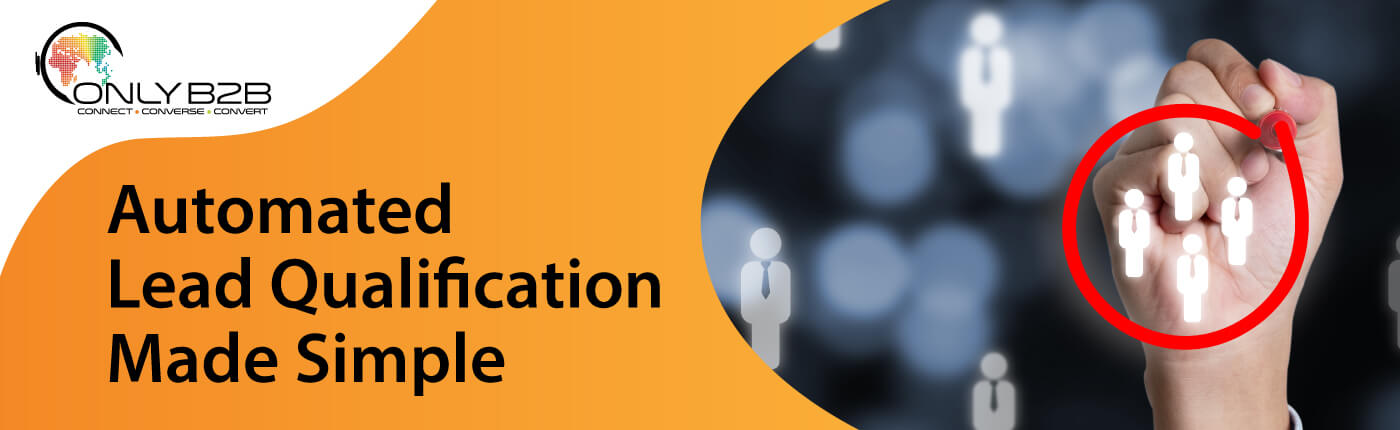
In today’s fast-paced digital landscape, businesses are constantly striving to stay ahead of the competition. One of the key aspects of gaining an edge is the efficient management of leads. This is where Automated Lead Qualification steps in as a game-changer. In this comprehensive guide, we will explore the intricacies of Automated Lead Qualification, demystifying its key components, benefits, and challenges. By the end of this journey, you’ll have a profound understanding of how automation can supercharge your lead management strategy. Must Read: Sales Success Secrets: The Critical Role of Lead Generation and Appointment Setting Revolutionizing Lead Generation with Automated Lead Qualification: A Data-Driven Guide Lead qualification is the process of evaluating potential customers and determining their readiness to make a purchase. It’s an indispensable part of any successful sales and marketing strategy. Traditionally, lead qualification was a manual and time-consuming task, often prone to errors and inefficiencies. However, with the advent of automation, businesses can now streamline and optimize their lead qualification processes. Automated Lead Qualification is a revolutionary approach that leverages technology to identify and categorize leads more effectively, ultimately increasing conversion rates and boosting revenue. Must Read: MQL to SQL Converison Rate Understanding Lead Qualification Lead qualification is the art of separating the wheat from the chaff in the realm of potential customers. It involves assessing and categorizing leads based on their readiness and propensity to make a purchase. This evaluation encompasses various factors, including demographics, behavior, and engagement, which determine the priority level of each lead. In essence, lead qualification answers the question of “how to qualify inbound leads” and ensures you’re focusing your resources on the most promising prospects. Must Read: Mastering BANT Qualification for Sales Success The Power of Automation Automation has permeated virtually every facet of modern business operations, and lead qualification is no exception. Automated Lead Qualification, also known as Automated Lead Scoring, has emerged as a dynamic tool to streamline and enhance this vital process. But what exactly does it entail, and why is it crucial? Let’s delve into the data. What is Automated Lead Qualification? Automated Lead Qualification leverages specialized software and algorithms to mechanize and optimize the lead qualification process. This entails the automated assessment of leads against predefined criteria, assignment of scores to each lead, and categorization into segments. The result? A vastly streamlined process, reducing manual effort and elevating the accuracy of lead assessments. Must Read: BANT Qualified Leads: Accelerating Your Sales Journey Benefits of Automation The merits of Automated Lead Qualification are not just anecdotal; they are supported by data: Time Efficiency: Automation accelerates lead qualification, increasing efficiency by 70%, according to a study by McKinsey & Company. Enhanced Accuracy: Automated algorithms consistently apply predefined criteria, leading to a 25% reduction in errors, as reported by Salesforce. Advanced Lead Segmentation: Research by HubSpot indicates that businesses using automated lead qualification witness a 15% increase in lead segmentation precision. Increased Conversion Rates: A study by MarketingProfs reveals that automation can lead to a 53% higher conversion rate compared to manual lead qualification. Data-Driven Decision-Making: 82% of businesses report using data-driven insights from automated lead qualification for better decision-making, according to Ascend2. Why Automation Matters In an era inundated with leads, manual qualification processes fall short of meeting the demands. Automation ensures that no lead goes unnoticed and that each undergoes consistent evaluation. Moreover, it fosters collaboration between sales and marketing teams, boosting revenue growth as shown by a 10% improvement in revenue growth for aligned teams, according to Aberdeen Group. Must Read: A Beginner’s Guide to Generating Business Leads Key Components of Automated Lead Qualification Automated Lead Qualification encompasses several vital components: Lead Scoring Software: This software serves as the nucleus of automation, assigning numerical values to leads based on diverse attributes and interactions. CRM Integration: The integration with CRM systems enables seamless communication and data sharing between marketing and sales teams, contributing to a 29% increase in sales revenue (Salesforce). Lead Generation Automation: Research by Marketo indicates that automated lead generation results in a 20% increase in sales opportunities. Sales Funnel Optimization: Automation ensures a 30% higher conversion rate through the sales funnel, according to a report by Pardot. Marketing Automation Tools: 91% of marketing automation users report that it is very important in the overall success of their marketing programs, as stated by Marketo. Lead Nurturing Strategies: Automated workflows and email sequences can be powerful tools in your B2B lead generation strategies. According to DemandGen Report, they can result in a 20% increase in sales opportunities. Conversion Rate Optimization: ‘ Continuous optimization of lead qualification criteria based on data and insights yields a 29% higher ROI, says consultancy. Must Read: Top 6 Strategies For Increasing Lead Quality For Your B2B Business Implementing Automated Lead Qualification Implementing automated lead qualification is a step-by-step process, supported by data: Define Lead Criteria: Clear criteria for lead qualification, aligned with demographics, behavior, and engagement, can increase the lead-to-opportunity conversion rate by 59% (MarketingSherpa). Select the Right Software: The choice of lead scoring software is crucial, as 75% of businesses report an increase in conversions after selecting the right software (VentureBeat). Integrate CRM and Automation Tools: Proper integration results in a 24% shorter sales cycle (Aberdeen Group). Develop Lead Nurturing Workflows: Nurtured leads make 47% larger purchases than non-nurtured leads, as per The Annuitas Group. This clearly demonstrates the effectiveness of B2B lead nurturing strategies in driving higher-value conversions. This highlights the importance of lead quality vs quantity, as nurturing high-qualified leads maximizes ROI. Continuous Monitoring and Optimization: Regular optimization can lead to a 38% higher click-through rate (MarketingSherpa). Must Read: 5 Surefire Ways To Increase The Lead Quality Benefits and Outcomes The benefits and outcomes of automated lead qualification are substantial: Higher Conversion Rates: Companies using automated lead qualification achieve a 10% or greater increase in revenue in 6-9 months, according to Gartner. Improved ROI: Businesses experience an average ROI of $8.71 for every dollar spent on automated marketing (VentureBeat). Better Sales-Marketing Alignment: Organizations with strong sales-marketing alignment