How Does Content Syndication Work? A Complete Guide (2026)

Modern growth marketing relies heavily on content syndication. It’s always been like this way. However, content syndication strategies and the mastrateterial types that power it have evolved over time. Previously, blog entries were the only type of information that could be syndicated. But have you ever wondered, “how does content syndication work?” Other forms of information, however, are increasingly published as well. Syndication is still crucial, despite the fact that SEO has advanced over time. What exactly is content syndication, though? What does it mean for your SEO? What are the advantages and disadvantages? And how do you successfully syndicate content? These are some pressing concerns you may have. This blog will cover all of these topics and more. How Does Content Syndication Work? What Is The Definition Of Content Syndication? The practice of releasing your online material on a third-party platforms is known as content syndication. The main goal of content syndication is to attract a bigger population via a third-party website and then route that traffic to your own. It may also be utilized as part of a growth hacking plan to reach out to a larger audience and raise brand recognition. So, how exactly does content syndication work? To begin, you must have a robust content syndication plan in place. Content syndication may be done in a variety of ways, including: Why Should You Syndicate Content? It’s possible to think of content syndication as a bargaining system. For its audience, the third-party platform receives useful, free material. At the same time, the author of the content is exposed to a larger audience. This trade mechanism, however, is not new. Well before digitalization became fashionable, major news organizations carried syndicated material from freelancers and smaller media on their websites. Content syndication allowed freelancers and smaller media to be recognized for their work while allowing larger outlets to avoid investing in the resources needed to generate content. But, after all, why do businesses now utilize content syndication? The author and content producer do it for a number of reasons, including increasing website traffic, generating leads, and building backlinks, among others. The Advantages Of Content Syndication 1. Exposure To The Content Content syndication allows you to reach out to prospects, viewers, andf readers who would not have otherwise came across your brand by using paid or free content syndication. A simple infographic on an authoritative platform may get your information thousands of more views than simply putting it on your own site. You may also syndicate pieces on that site on a regular basis to attract new visitors to your material. Overall, content syndication improves the exposure of material you’ve paid for or spent a significant amount of time generating. Articles (or portions from them), eBooks, whitepapers, videos (there are platforms for syndicating video content), and other types of syndicated material are all options. Syndication helps you develop your reputation as a thought expert by allowing you to reach more of your company’s clients through content delivery marketing. Content syndication increases traffic while also allowing more people to follow your identity and content. As a result, your website, social media accounts, and other platforms can reach a larger audience. 2. Lead Generation The use of content syndication for lead generation to establish inbtellectual dominance is a quick and efficient method. Each bit of content that syndicates restricted material can generate actual cash. Before obtaining their content materials, prospects must fill in their contact information. This syndication-based B2B lead generation technique allows you to acquire the prospect’s data, which you can then utilize to engage them and persuade them into customers. It’s crucial to consider three things while monitoring the leads you’ve gotten from syndicated content: 3. Link Generation Content syndication websites may publish your content, including articles, films, and graphics, and credit you by linking back to it. This aids in the enhancement of your website’s SEO, which in turn aids in the enhancement of your SERP ranks (Search Engine Results Pages). As a result, the authority of your brand will rise on the internet. Furthermore, the better rating and syndicated postings may result in increased traffic to your website. This not only helps you improve your SEO, but it may also help you increase your revenue and sales. Content syndication is another successful technique to reach a larger audience, although it does come with certain hazards. Repeated material is frowned upon by search engines. As a result, if a search engine discovers many pages with the same information, only one of them will appear on the search result. This is why it’s critical to include a link to the original source in every syndicated content. These links inform the search engine that the article they’re swarming is syndicated. How To Syndicate Content Effectively? While content syndication may appear to be a dream come true for any content marketer, it’s critical that you do it correctly. This because? Syndicated material, as we’ve seen, might be mistaken for duplicate content if done incorrectly. This can harm your internet reputation, have an influence on your SEO, and a lot more. This is especially important in ABM content syndication, where targeting accuracy and content integrity are paramount. Leveraging AI in content syndication can help mitigate these risks by optimizing content distribution, ensuring proper attribution, and enhancing targeting precision. Let’s look at some procedures you may do to properly syndicate material to avoid such problems. Must Read: Content syndication networks that will drive traffic Conclusion: As a result, make certain that your online material is syndicated on the appropriate websites and in the appropriate manner. If you don’t, you won’t be able to take advantage of the many benefits of content syndication, and you may end up losing more money than you gain. You’ve got the content syndication tools, the data, and the advice you need to get started with this blog. So go ahead and syndicate your material to expand your business and scale up your content marketing plan. And if you need any assistance, simply
Win More Deals with Qualified Appointment Setting

Did you know 67% of B2B buyers prefer vendors who set meaningful appointments? Qualified appointment setting is the key to securing high-value meetings that drive results. It’s not just about setting up meetings; it’s about ensuring those meetings are with the right prospects who have a genuine interest in your offerings. This strategic approach significantly enhances the efficiency of the sales process, leading to higher conversion rates and impactful business growth. Appointment setting is not without its challenges. Reaching decision-makers, handling gatekeepers, and capturing attention in an oversaturated market can be daunting. Effective strategies are needed to overcome these hurdles and ensure that valuable resources are invested in interactions that have the potential to yield substantial returns. The journey to securing high-value meetings involves a mix of targeted prospecting, personalized communication, leveraging technology, and mastering the art of qualification. In this comprehensive guide, we will delve into the strategies that empower B2B professionals to navigate the complexities of appointment setting and secure meetings that truly matter, unlocking the benefits of appointment setting such as increased lead qualification, improved conversion rates, and ultimately, accelerated sales growth. Must Read: Powerful Tips for B2B Appointment Setting: Strategies and Techniques for Success Qualified Appointment Setting Strategies for B2B Success What is Qualified Appointment Setting? A Guide to Success Qualified appointments are those where both parties – the prospect and the sales representative – stand to gain value from the interaction. They involve prospects who are genuinely interested, have a clear need, and are in a position to make a purchase decision. These appointments are a crucial step in the B2B sales process, as they significantly enhance the chances of converting quality leads into customers. Must Read: What is Appointment Setting? A. Differentiating Between Cold Calls and Qualified Appointments Unlike cold calls, which often involve reaching out to prospects without prior engagement, qualified appointments are nurtured through research, personalized communication, and careful assessment of the prospect’s needs. Cold calls can be hit or missed, while qualified appointments increase the likelihood of a meaningful conversation and a potential sale. B. Benefits of Focusing on High-Quality Meetings The benefits of focusing on high-quality meetings are manifold. They save time and resources by narrowing the focus to prospects who are more likely to convert. Moreover, they position the sales team as consultants, offering valuable insights and solutions tailored to the prospect’s needs. This approach fosters stronger relationships and builds trust. Must Read: Sales Success Secrets: The Critical Role of Lead Generation and Appointment Setting How to Build a Targeted Prospecting Strategy for B2B Sales A. Identifying Ideal Customer Profiles (ICPs) The first step to securing high-value meetings is to define your ideal customer profiles (ICPs). This involves creating detailed personas of your most valuable customers based on factors such as industry, company size, pain points, and goals. This targeted approach ensures that your efforts are directed towards prospects with the highest potential for conversion. B. Leveraging Account-Based Marketing (ABM) Principles Account-Based Marketing (ABM) principles can be invaluable in qualified appointment setting. ABM involves tailoring your outreach and communication to a specific set of high-potential accounts. This personalized approach enhances the relevance of your message and increases the chances of securing appointments with decision-makers. C. Tailoring Outreach Messages for Personalization Personalization is the cornerstone of effective communication. Craft outreach messages that resonate with the prospect’s pain points, challenges, and goals. According to HubSpot, personalized emails have a 6% higher open rate and a 74% higher click-through rate compared to generic messages. Must Read: 5 Signs It’s Time to Outsource B2B Appointment Setting Multichannel Strategies for Qualified Appointment Setting A. Leveraging Email Outreach and Personalized Messaging Email remains a powerful tool in B2B appointment setting. Crafting compelling subject lines and delivering content that addresses the prospect’s needs can significantly improve open and response rates. Personalized messaging that speaks directly to the prospect’s challenges creates a connection and sets the stage for meaningful conversations. By incorporating effective appointment setting tips such as personalization, you can significantly increase the likelihood of securing appointments with qualified leads who are genuinely interested in what you have to offer. B. Integrating Social Media Engagement in Appointment Setting Social media (Facebook, Instagram, LinkedIn, Twitter) offers a unique platform for engagement. Connect with prospects on platforms like LinkedIn by sharing valuable insights and joining relevant discussions. This positions you as an industry expert and piques the interest of prospects, making them more receptive to appointment requests. C. Incorporating Cold Calling with Warm Touches While cold calling has evolved, it remains a valuable technique when combined with warm touches. If you’re wondering how to get appointments with decision-makers, consider incorporating warm touches such as sending a personalized email or connecting on social media before the call. This approach increases familiarity and enhances the chances of a positive response. Must Read: Busting Myths About Outsourcing Appointment Setting The Power of Value-Based Communication A. Highlighting Value Propositions and Solutions During appointment setting, focus on value. Clearly articulate how your solution addresses the prospect’s pain points and contributes to their goals. Present your value proposition as a solution to their challenges, rather than a mere product or service. B. Addressing Pain Points and Challenges Effectively Addressing pain points requires empathy and understanding. Craft your communication to reflect that you comprehend the prospect’s challenges. According to Salesforce, 92% of salespeople give up after four “no’s,” but addressing pain points can turn a “no” into a “yes.” C. Showcasing Success Stories and Use Cases Success stories and use cases provide tangible evidence of your solution’s effectiveness. Sharing stories of how you’ve helped similar clients overcome challenges adds credibility and instills confidence in your prospects. Must Read: Should You Outsource B2B Appointment Setting Effective Appointment Setting Scripts A. Crafting Compelling Opening Statements Your opening statement should capture the prospect’s attention and convey your value proposition succinctly. It should address a pain point or challenge the prospect can relate to. B. Handling Objections and Rejections Professionally Objections are common, but they can be turned into opportunities. Anticipate objections and have well-prepared responses that address the prospect’s concerns without dismissing them. C. Using Open-Ended Questions for Qualification Open-ended questions encourage dialogue and provide insights into the prospect’s needs. They help you gather the information required to determine

Measuring Content Syndication Success: Metrics and Analytics Unveiled

In the dynamic landscape of contemporary content marketing, the distribution of valuable content beyond one’s own platform has evolved into a strategic cornerstone. Welcome to the realm of Content Syndication – a powerful technique that amplifies reach and engagement. Yet, the true prowess lies in comprehending effectively measuring content syndication success. This exhaustive blog dives into the intricacies of gauging the impact of content syndication through critical metrics and advanced analytics. Content Syndication involves disseminating valuable content like articles, blog posts, or videos across diverse platforms to expand the audience and enhance engagement. The efficacy of content syndication hinges upon the ability to measure its success. This measurement offers insights into what works and where improvements are warranted. Metrics and analytics empower informed decisions by quantifying the influence of content syndication, thus facilitating ongoing optimization. Measuring Content Syndication Success: Metrics and Analytics Unveiled Navigating the Landscape of Content Syndication ROI Defining Content Syndication ROI:  Return on Investment (ROI) in content syndication encapsulates the value derived from invested resources in content creation and distribution. Calculating ROI for Syndicated Content: the ROI calculation formula entails deducting investment cost from generated revenue, followed by dividing the result by the investment cost. Importance of ROI in Assessing Success:  ROI provides a clear financial snapshot of the value yielded by syndicated content efforts, serving as a pivotal indicator of success and guiding resource allocation. Must Read: 14 Expert Tips to Boost Your Blog Traffic with Content Syndication Key Metrics for Precise Performance Assessment Click-Through Rate (CTR): CTR measures syndication’s efficacy in driving readers to content. HubSpot’s research showcases an average CTR of 2.46% across industries. Conversion Rate:  Conversion rate gauges content’s success in inspiring desired actions, such as signing up for a newsletter or downloading a resource. Lead Quality and Quantity Quantifying the quantity and quality of leads generated through syndication reveals the potential for nurturing them into valuable customers. Cost per Lead (CPL):  CPL calculates the cost of acquiring a single lead through syndication. B2B companies report an average CPL of $43. Return on Investment (ROI):  As previously mentioned, ROI quantifies the value generated from syndicated content efforts against the investment made. Read this insightful article about free content syndication. Audience Engagement Metrics:  Metrics like Time on Page and Bounce Rate help ascertain the level of engagement achieved through syndicated content. Must Read: The Ultimate Lead Generation Content Syndication Strategy Utilizing Analytics Tools for Content Syndication:  Google Analytics for In-Depth Traffic Analysis:  Google Analytics offers a comprehensive view of syndicated content’s generated traffic, aiding in understanding user behavior. Marketing Automation Platforms for Lead Tracking:  Marketing automation tools track leads generated from syndication and assess their progression through the sales funnel. CRM Systems for Lead-to-Customer Conversion Tracking: Integrating syndication leads into CRM systems enables tracking their conversion into paying customers. UTM Parameters for Accurate Campaign Attribution:  UTM parameters ensure accurate syndicated content performance tracking by revealing traffic sources. Must Read: Utilizing Intelligent Content Syndication To Produce High Intent MQLs Monitoring Syndicated Content Across Platforms  Partner Websites Performance Monitoring:  Evaluating content performance on partner websites provides insights into syndication partnership effectiveness. Social Media Engagement and Referral Traffic Analysis:  Measuring engagement and referral traffic from social media shares underscores syndicated content’s social impact. Performance on Third-Party Content Platforms:  Monitoring content’s performance on third-party platforms reveals audience preferences across diverse platforms. Assessing Email Clicks and Conversions:  Tracking click-through rates and subsequent conversions from syndicated content emails demonstrates their efficiency. Must Read: A Brief Guide to Generate Leads Using ABM Content Syndication A/B Testing for Optimal Content Syndication A/B Testing’s Importance in Content Performance: A/B testing allows comparison of content variations to identify the most effective elements. Testing Headlines, CTAs, and Content Formats:  A/B testing can be applied to elements like headlines, calls-to-action, and content formats to optimize engagement. Analyzing A/B Test Results for Informed Decision-Making:  Analyzing A/B test results provides insights into audience preferences, guiding future content syndication efforts. Must Read: All You Need To Know About Content Syndication Assessing Long-Term Impact and Brand Awareness:  Tracking Brand Mentions and Social Media Interactions:  Monitoring brand mentions and social interactions highlights syndicated content’s reach and resonance. Search Engine Rankings and Organic Traffic Analysis:  Evaluating search engine rankings and organic traffic unveils syndicated content’s prolonged influence on visibility. Analyzing Referral Traffic Over Time:  Tracking referral traffic over time provides insights into sustained syndicated content impact. Must Read: 6 Content Syndication Networks that will Drive Traffic Addressing Syndication Challenges with Strategic Solutions:  Identifying Potential Roadblocks to Success:  Recognizing challenges, like consistent messaging, is the first step toward overcoming them. Strategies for Overcoming Syndication Challenges:  Solutions include strategic planning, clear communication with partners, and content adaptation. Adapting Content for Different Syndication Platforms:  Customizing content for distinct syndication platforms enhances its effectiveness. Conclusion: From CTR to brand mentions, metrics guide content syndication strategy towards success. Data-driven insights from metrics empower informed decisions and enhance content syndication. In conclusion, grasping the intricacies of measuring content syndication success entails exploring diverse metrics and analytics. With the integration of AI and content syndication, brands can leverage advanced algorithms to analyze performance data, optimize distribution, and maximize engagement. By harnessing these tools, brands refine their syndication strategies, resonating with their target audience for a seamless blend of valuable content and strategic insights.

Top Content Syndication Metrics B2B Marketers Must Track in 2026 (With Benchmarks)

In the dynamic and ever-changing B2B environment, content syndication has emerged as a powerful strategy for organizations to enhance their brand’s visibility and generate valuable leads. To effectively gauge the effectiveness of B2B syndication campaigns, it is crucial to measure the right metrics. This blog explores the significance of content syndication metrics in measuring success. We will delve into essential metrics such as Syndication ROI, lead quality metrics, content engagement metrics, conversion tracking, and content syndication analytics. By leveraging these metrics, businesses can gain valuable insights, optimize their strategies, and maximize the impact of their content syndication initiatives. Join us as we uncover the key metrics that drive success in B2B syndication campaigns. Must Read: 14 Expert Tips to Boost Your Blog Traffic with Content Syndication Evaluating Success in B2B Syndication Campaigns: A Focus on Content Syndication Metrics Understanding B2B Content Syndication: Before diving into the metrics, let’s establish a clear understanding of B2B content syndication. It involves partnering with content syndication platforms or networks to distribute valuable and informative content to a broader audience beyond a company’s owned channels. By doing so, businesses can leverage the readership of established and reputable websites, industry publications, and relevant platforms, thus increasing brand visibility, credibility, and generating nrew leads. According to a recent study by Demand Gen Report, 78% of B2B buyers use whitepapers to make purchasing decisions, making content syndication an effective strategy to reach and engage with these decision-makers. Must Read: The Ultimate Lead Generation Content Syndication Strategy Key Metrics for Measuring Success Lead Quality Metrics: Assessing the Quality of Syndicated Leads: One of the primary objectives of content syndication is to generate high-quality B2B leads that are more likely to convert into customers. Evaluating lead quality is crucial to determine the success of a syndication campaign. Let’s explore some key metrics in this regard. Conversion Rate: Measuring the percentage of syndicated leads that convert into desired actions, such as filling out a form, downloading a resource, or requesting a demo. According to a study by MarketingSherpa, top-performing companies have an average conversion rate of 5.31% for their content syndication efforts. This showcases the significance of optimizing campaigns to maximize conversion rates. Sales Qualified Leads (SQLs): Identifying the number of leads that meet specific qualification criteria set by your sales team, indicating a higher chance of conversion. According to HubSpot, companies that focus on generating high-quality lead through content syndication experience a 45% higher sales achievement. This highlights the importance of prioritizing lead quality to drive sales success. Cost per Lead (CPL): Calculating the cost associated with acquiring each syndicated lead. This metric allows businesses to evaluate the efficiency of their campaign and optimize their budget allocation. According to a study by Demand Metric, the average cost per lead for content syndication is $43, making it a cost-effective strategy compared to other lead generation methods. This data emphasizes the potential cost savings that content syndication can offer while delivering valuable leads. Businesses can improve their targeting techniques, evaluate the return on investment (ROI) of their syndication efforts, and generate more quality leads that are more likely to become customers by measuring these KPIs.   Must Read: Utilizing Intelligent Content Syndication To Produce High Intent MQLs Content Engagement Metrics: Examining the Interaction of the Audience Understanding how the target audience interacts with syndicated content is necessary to gauge the success of a syndication endeavor. Let’s examine some crucial statistics for this group.   Click-through Rate (CTR): Measuring the percentage of users who click on syndicated content, indicating their interest and intent to engage further. The average CTR for B2B content syndication efforts is roughly 0.5%, according to a survey by the Content Marketing Institute. This information emphasizes the significance of content optimization to increase click-through rates and draw in the intended audience. Time on Page: Analyzing the average time visitors spend engaging with syndicated content, which reflects their level of interest and attention. According to studies, visitors are more likely to convert the longer they spend on a page. According to a survey by Nielsen Norman Group, visitors spend an average of 15 seconds on a web page, underscoring the significance of grabbing and holding their attention. This data emphasizes the need for engaging and captivating content to keep the audience engaged and increase the chances of conversion. Bounce Rate: Assessing the percentage of visitors who navigate away from syndicated content without taking any further action, indicating a lack of relevance or engagement. According to Google, the average bounce rate for B2B websites is approximately 60%, making it crucial to optimize content syndication campaigns to reduce bounce rates. This data emphasizes the importance of delivering relevant and valuable content that keeps visitors engaged and encourages them to explore further. Businesses may learn a lot about the effectiveness of their content by tracking these engagement data. They can also determine the types of material that resonate most with their target audience and adjust their future syndication initiatives appropriately. Conversion Tracking: Measuring Conversions and Attribution: Measuring conversions and attributing them to the proper syndication efforts are essential for determining the success of a B2B syndication campaign. Let’s explore some vital metrics in this type. Conversion Rate: Calculating the percentage of syndicated leads that convert into paying customers or complete a desired action, such as making a purchase or signing up for a service. According to a study by Econsultancy, the average conversion rate for B2B companies is 2.23%, featuring the significance of optimizing campaigns to maximize conversions. This data underscores the importance of driving conversions and highlights the potential for growth through effective content syndication campaigns. Must Read: MQL to SQL Conversion Rate Multi-Touch Attribution: Determining which touchpoints along the buyer’s journey contribute most to conversions, allowing businesses to optimize their syndication strategy accordingly. A study by Salesforce found that companies using multi-touch attribution models achieve a 15% higher conversion rate compared to those using single-touch attribution. This data highlights the importance of tracking and understanding the customer journey to allocate resources effectively

Powerful Tips for B2B Appointment Setting: Strategies and Techniques for Success

In the dynamic and highly competitive B2B landscape, the ability to set effective appointments holds the key to business growth and success. Securing appointments with potential clients and decision-makers is pivotal in presenting your products or services and forging valuable connections. In this comprehensive blog, we will delve into a wealth of powerful tips and techniques for B2B appointment setting, underpinned by relevant data and compelling statistics. By understanding the intricacies of appointment setting and leveraging proven strategies, you can navigate the challenges of the B2B arena with confidence and maximize your opportunities for growth and expansion.  Must Read: Sales Success Secrets: The Critical Role of Lead Generation and Appointment Setting Powerful Tips for B2B Appointment Setting: Strategies and Techniques for Success Essential B2B Appointment Setting Tips: Identify Your Ideal Target Market: Start by determining who your target audience is grounded on their industry, size of the establishment, terrain, and other material factors. By doing this, you can be certain that your efforts are directed towards decision- makers who are more likely to be interested in your products.  Personalize Your Outreach: Craft personalized, and compelling messages tailored to each prospect’s needs and pain points. According to research, personalized emails have a 26% higher open rate and a 41% higher click-through rate compared to generic emails. Utilize Multiple Communication Channels: Adopt a multi-channel approach, including phone calls, emails, social media, and networking events. This increases your chances of reaching decision-makers and capturing their attention. Communicate a Clear Value Proposition: Clearly articulate the unique value your product or service brings to the prospect’s business. Highlight how it addresses their pain points, improves efficiency, or helps achieve their goals. Data shows that prospects are more likely to engage when they see a clear value proposition. Must Read: 5 Signs It’s Time to Outsource B2B Appointment Setting Advanced B2B Appointment Setting Techniques: Account-Based Marketing (ABM): Implement ABM strategies to target high-value accounts and personalize your outreach based on their specific needs. ABM has shown a 285% increase in engagement rates compared to traditional marketing methods. Referral Programs: Leverage the power of referrals by incentivizing existing clients or contacts to refer you to their network. Referrals have a higher conversion rate and are more likely to lead to successful appointments. Automation and AI Tools: Embrace automation and AI tools to streamline your appointment setting process. These tools can assist with lead scoring, email automation, follow-ups, and scheduling, allowing your sales team to focus on building relationships and closing deals. Data-Driven Insights: Utilize data analytics to gain insights into prospect behavior, preferences, and engagement patterns. This information can help you optimize your outreach strategies and improve your appointment setting success rate. Must Read: Account based marketing strategies in 2023 Effective B2B Appointment Setting Statistics: According to a study by HubSpot, 75% of B2B buyers prefer to work with sales professionals who demonstrate a clear understanding of their business needs. Research from InsideSales.com reveals that following up within five minutes of a prospect’s inquiry increases the chances of a successful appointment by nine times. A survey by Gong.io found that sales calls lasting between 11-14 minutes have the highest conversion rates. According to LinkedIn, 80% of B2B leads come from LinkedIn. Powerful B2B Appointment Setting Strategies: Develop a well-defined ideal customer profile to focus your efforts on the most promising prospects. Prioritizing nurturing quality leads through effective follow-up and consistent communication. Implement a lead scoring system to identify and prioritize high-potential prospects. Collaborate with marketing teams to ensure alignment between lead generation efforts and appointment setting strategies. Effective B2B appointment setting is crucial for driving business success. By implementing the essential tips, advanced techniques, and leveraging data-driven insights, you can significantly improve your appointment setting success rate. Personalize your outreach, communicate a clear value proposition, and embrace innovative tools and strategies. With these powerful techniques, you can engage decision-makers, secure valuable appointments, and propel your business towards growth and profitability.

The Advantages and Disadvantages of Outsourcing SDR Services

Sales Development Representatives (SDRs) have undoubtedly emerged as a powerful force in the market in recent years. With the rise of new SDR services, many businesses have eagerly embraced this trend to maximize their sales potential. However, it is crucial to carefully assess whether this approach is the right fit for your specific business needs. Before deciding, it’s important to delve into the intricacies surrounding SDR services. In this blog post, we will examine both the advantages and disadvantages of incorporating SDR into your company, enabling you to make an informed choice. Must read: Unveiling the Power of Outsourced SDR Teams: Do You Truly Need Them? The Advantages and Disadvantages of Outsourcing SDR Services Advantages of SDR Services: Increased Lead Generation: SDRs are experts in identifying and qualifying leads (marketing qualified or sales qualified), allowing your business to focus on high-potential prospects. Their specialized skills and knowledge can significantly boost your lead generation efforts, resulting in a higher conversion rate and increased revenue. Enhanced Efficiency: By outsourcing SDR services, you can streamline your sales processes and improve overall operational efficiency. SDRs are well-versed in the art of prospecting, qualifying leads, and setting up appointments, allowing your sales team to dedicate their time and energy to closing deals and nurturing customer relationships. Cost Savings: Hiring and training an in-house SDR team can be a costly endeavor. Opting for outsourced SDR services can provide significant cost savings, as you eliminate the need for recruitment, training, and employee benefits. This allows you to allocate your financial resources more effectively, investing in other areas of your business. Improved Customer Insights: SDRs interact directly with potential customers, providing valuable insights into customer preferences, pain points, and objections. This information can be leveraged to refine your sales and marketing strategies, resulting in better-targeted campaigns and higher conversion rates. 24/7 Coverage: Outsourced SDR services can provide round-the-clock coverage, allowing you to engage with leads and prospects in different time zones. This ensures that no potential opportunities are missed, maximizing your reach and responsiveness. Access to Advanced Technology: SDR service providers often have access to advanced sales and marketing tools, such as CRM systems, automation software, and analytics platforms. Leveraging these technologies can streamline your sales processes, improve data accuracy, and enhance overall performance. Must Read: How SDR-as-a-Service Lowers the Cost of Qualified B2B Leads/Appointments Disadvantages of SDR Services: Alignment with Brand Image: When outsourcing SDR services, it’s essential to ensure that the SDRs align with your brand image and values. They will be representing your company to potential customers, and any misalignment in communication style or messaging can harm your brand reputation. Thoroughly vetting and selecting a reliable SDR service provider is crucial to maintain a consistent brand image. Control and Communication Challenges: Entrusting an external team with your sales development can pose challenges in terms of control and communication. It is important to establish clear guidelines, maintain open lines of communication, and regularly assess performance to ensure that your business objectives are being met. Data Security and Confidentiality: Sharing sensitive customer data with third-party SDR services requires a robust data security framework. It is vital to select a trustworthy provider that prioritizes data protection to safeguard your valuable information. Conducting due diligence and signing comprehensive confidentiality agreements are critical steps in mitigating potential risks. Less Control Over Brand Representation: Outsourcing SDR services means relinquishing some control over how your brand is represented during the initial stages of the sales process. It is crucial to align closely with the outsourced team and establish clear guidelines to ensure consistent brand messaging and customer experience. Dependency on External Expertise: Outsourcing SDR services means relying on the expertise and capabilities of an external provider. While they may have the necessary skills, knowledge, and experience, there is a level of dependency on their performance, adaptability, and ability to align with your evolving business goals. Potential Language and Cultural Barriers: If you outsource SDR services to a provider in a different country or region, language and cultural barriers may arise. These differences can impact communication effectiveness, understanding customer needs, and building rapport with quality leads. By carefully weighing the advantages and disadvantages of SDR services, you can determine whether they are the right fit for your business. Consider factors such as your industry, target audience, and long-term growth strategy. Remember, what works for one company may not work for another, so it’s essential to make an informed decision based on your unique circumstances. Ultimately, SDR services have the potential to transform your sales efforts, increase efficiency, and drive revenue growth. Assess your specific requirements, research reputable service providers, and establish clear expectations to leverage the power of SDRs effectively. Must read: Elevate Your Business with Outsourced Sales Development

Maximizing Revenue: The Significance of MQL to SQL Conversion Rate

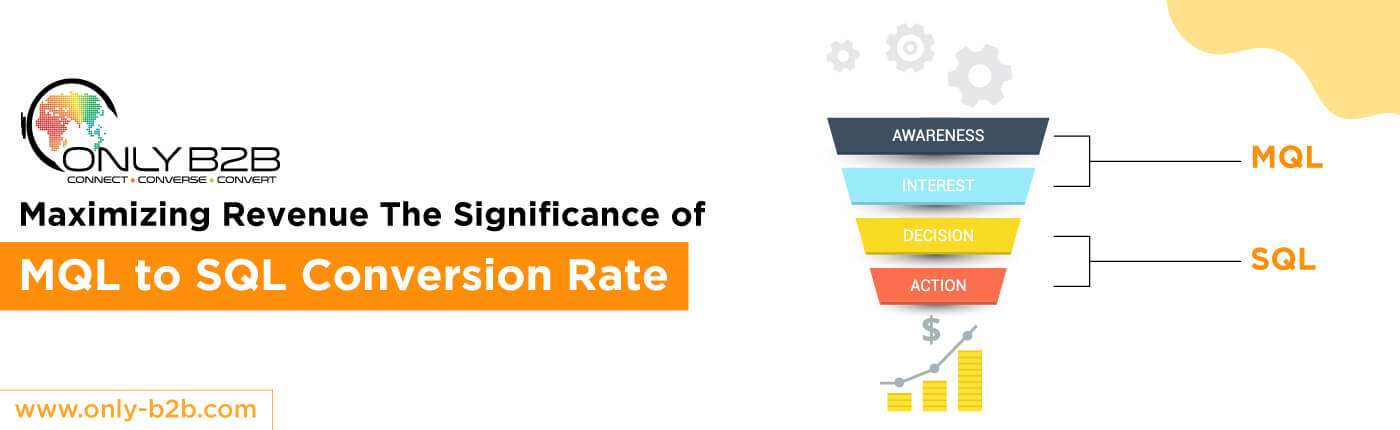
In today’s digital era, businesses are constantly striving to enhance their marketing efforts to generate more leads and drive revenue growth. Among the key metrics that have gained significant importance is the MQL to SQL Conversion Rate. This metric evaluates the effectiveness of your lead generation and qualification process including optimizing your lead-to-MQL conversion rate. It provides crucial insights into the performance of your sales funnel. In this blog post, we will delve into the MQL to SQL conversion rate, its importance, and actionable strategies to increase it for maximizing revenue. The Significance of MQL to SQL Conversion Rate What is the MQL to SQL Conversion Rate? The MQL to SQL conversion rate measures the percentage of Marketing Qualified Leads (MQLs) that successfully transition into Sales Qualified Leads (SQLs). MQLs are prospects identified by the marketing team as having a higher likelihood of becoming customers based on their engagement with your content, website, or other marketing activities. This process of attracting, nurturing, and converting these high-potential leads is known as MQL lead generation. SQLs, on the other hand, are leads deemed ready by the sales team to make a purchase or engage in sales conversations. This distinction between MQLs and SQLs is crucial in the lead nurturing process, as it determines the type of outreach and support each lead requires. How to Calculate the MQL to SQL Conversion Rate? Calculating the MQL to SQL conversion rate involves dividing the number of SQLs by the number of MQLs and multiplying the result by 100. For example, if you had 100 MQLs and 20 SQLs, the MQL to SQL conversion rate would be 20%. Why is the MQL to SQL Conversion Rate Important? The MQL to SQL conversion rate holds immense significance as it reflects the efficiency of your lead generation and qualification process. A high conversion rate indicates strong alignment and effective collaboration between your marketing and sales teams in moving leads through the funnel. Conversely, a low conversion rate may indicate process flaws that require attention. By analyzing trends in this metric over time, you can make data-driven decisions to optimize your sales funnel. Must Read: How To Become An Expert At Generating MQLs! How to Improve the MQL to SQL Conversion Rate? There are several strategies you can employ to improve your MQL to SQL conversion rate: 1. Refine Lead Qualification Criteria: Ensure your marketing team targets the right personas and industries to increase the likelihood of MQLs transitioning into SQLs. Read this insightful article about MQL Criteria. 2. Foster Sales and Marketing Alignment: Promote close collaboration between your sales and marketing teams, enabling proper qualification of MQLs and prompt handover to the sales team. 3. Implement Effective Lead Nurturing: Develop a comprehensive lead nurturing program to engage MQLs with relevant content, strengthening their connection to your brand and guiding them further down the funnel. 4. Optimize Your Sales Funnel: Utilize data and analytics to identify potential bottlenecks in the conversion process and make targeted optimizations to improve conversion rates. Must Read: How to Know Whether Your Lead is Qualified Enough to be a Sales Ready Lead? MQL to SQL Conversion Rate Benchmark: Benchmarking the MQL to SQL conversion rate varies depending on industry, business size, and target market. According to a recent HubSpot analysis, the average MQL to SQL conversion rate across all industries is approximately 13%. While cold calling can be a traditional method for lead generation, it’s important to note that this benchmark serves as a reference point, and your specific circumstances may result in a higher or lower conversion rate. There are numerous effective strategies for generating qualified leads without cold calling, allowing you to target potential customers who are already interested in your products or services. Measuring and Analyzing the MQL to SQL Conversion Rate: To effectively measure and analyze your MQL to SQL conversion rate, a robust CRM system and a commitment to data accuracy are essential. This allows you to track leads throughout the entire process, ensuring proper qualification (including identifying MQLs vs. other lead types), identify areas for improvement, test new tactics, and optimize your sales funnel for better conversion rates. Conclusion: The MQL to SQL conversion rate is a crucial metric for leading B2B business, measuring marketing effectiveness and lead quality. By calculating and comparing this rate against benchmarks, you can identify areas for improvement and optimize your strategies. Targeting the right audience, personalizing messaging, aligning sales and marketing teams, and continuous measurement and analysis are key to enhancing this metric

Elevate Your Business with Outsourced Sales Development

In today’s ever-evolving business landscape, companies strive to increase their revenue streams and gain a competitive edge. As a strategic solution, Outsourced Sales Development has emerged as a powerful tool to enhance sales performance and achieve unprecedented growth. In this blog, we will explore The profound impact of Outsourced Sales Development on your business: 1. Increased Efficiency and Focus: By entrusting sales development to specialized professionals, your company can focus on core competencies, resulting in improved efficiency and productivity. Outsourcing allows you to allocate valuable time and resources towards activities that drive your business’s success. Moreover, it ensures that sales and marketing efforts align seamlessly with your overall strategy and objectives. Must Read: Reasons Why SDR As A Service Can Be A Game-changer For Businesses Of All Sizes 2. Access to Expertise: Outsourced Sales Development providers bring a wealth of knowledge and experience in sales and marketing. Their expertise, coupled with advanced tools and strategies, can significantly contribute to achieving your sales targets and driving sustained growth. Partnering with such providers enables your business to tap into a valuable pool of resources that may not be readily available in-house. 3. Cost-Effectiveness: Outsourced Sales Development presents a cost-effective solution, particularly for small and medium-sized enterprises (SMEs) that may lack the resources to build an in-house sales and marketing team. By outsourcing these functions, businesses can save on recruitment, training, salaries, and benefits, allowing for more efficient resource allocation and greater financial flexibility. Read this insightful article about advantages and disadvantages of outsourcing SDR as a services. 4. Scalability: The ability to adapt to changing circumstances, such as fluctuations in demand or market expansions, is essential for business success. Outsourced Sales Development provides the necessary scalability, ensuring your sales and marketing efforts can effortlessly adjust to meet evolving business needs. This flexibility is particularly crucial for companies experiencing rapid growth or seeking to expand into new markets. 5. Global Sales Network: Must Read: Here are some reasons why outsourcing SDRs is the right decision for your business Outsourced Sales Development providers boast an extensive network of sales and marketing professionals across various industries and markets. By partnering with such providers, your business gains access to this global network, opening doors to new markets and potential customers that may not be accessible through traditional sales channels. Expanding your reach, growing your customer base, and driving revenue growth become attainable goals. Supporting Statistics: Outsourced Sales Development can be a transformative solution for businesses striving to achieve their sales targets and unlock new growth opportunities. By outsourcing sales development functions, companies can enhance efficiency, focus on core competencies, access specialized expertise, save costs, scale their efforts, and tap into a global sales network. Embrace Outsourced Sales Development as a strategic solution to elevate your business to new heights. Must Read: How the lead generation strategies in USA market differ from the rest of the world

Reasons Why SDR As A Service Can Be A Game-changer For Businesses Of All Sizes

Sales development representatives (SDRs) play a critical role in any successful sales team. SDRs are responsible for identifying and qualifying leads (Sales qualified or Marketing qualified), scheduling appointments, and providing valuable insights into customer needs and preferences. As companies grow, managing an internal SDR team can become a significant challenge. This is where SDR as a service comes in—an outsourced solution that offers a dedicated team of SDRs to support your sales efforts. In this blog, we’ll explore the Reasons Why SDR As A Service Can Be A Game-changer For Businesses Of All Sizes Must Read: Here are some reasons why outsourcing SDRs is the right decision for your business 1. Expertise When you work with an SDR as a service provider, you gain access to a team of experts who specialize in lead generation and qualifications. These professionals have a deep understanding of the sales process and use the latest tools and techniques to generate B2B leads, nurture them, and convert them into qualified opportunities. They have the knowledge and experience to develop custom campaigns that resonate with your target audience and provide valuable insights into customer behavior and preferences. 2. Scalability One of the most significant advantages of SDR as a service is its scalability. As your business grows, your sales efforts need to keep pace. However, scaling an internal SDR team can be challenging and expensive. SDR as a service offers a flexible solution that can scale up or down as per your business requirements. You can easily adjust the size of your SDR team as per your sales goals without worrying about hiring and training costs. Must Read: How the lead generation strategies in USA market differ from the rest of the world 3. Cost Savings Hiring and managing an in-house SDR team can be a significant expense for businesses. By outsourcing your SDR needs to a specialized service provider, you can reduce your overhead costs and save money. SDR, as a service provider, has the infrastructure and resources to support your sales efforts without requiring you to invest in expensive technology, training, or recruitment. 4. Faster Results SDR, as a service provider, has a proven track record of delivering results quickly. They have the experience and expertise to launch custom campaigns that generate high-quality leads and accelerate the sales process. By outsourcing your SDR needs, you can save time and resources and start seeing results faster. Must Read: Here are some reasons why outsourcing SDRs is the right decision for your business 5. Focus on core competencies. Outsourcing your SDR needs to a specialized service provider can free up your internal resources to focus on your core competencies. You can devote more time and energy to building your product or service and creating a great customer experience while your SDR team generates and qualifies leads for your sales team. 6. Access to Technology SDR, as service providers, have access to the latest sales technology and tools. They use advanced software, automation, and analytics to optimize your sales campaigns and provide real-time insights into customer behavior. By working with an SDR as a service provider, you gain access to cutting-edge technology without the need for upfront investments or maintenance costs. In conclusion, SDR as a service is an excellent solution for businesses that want to scale their sales efforts, reduce costs, and accelerate results. By outsourcing your SDR needs to a specialized service provider, you can gain access to a team of experts who can generate and qualify leads quickly and efficiently using the latest tools and techniques. With SDR as a service, you can focus on your core competencies and achieve your sales goals faster and more cost-effectively. Must Read: Top 10 B2B SDR as a Service Alternatives & Competitors

Here are some reasons why outsourcing SDRs is the right decision for your business

In today’s competitive business environment, companies are always seeking ways to optimize their operations and increase revenue. One strategy that has become increasingly popular is outsourcing sales development representatives (SDRs). By hiring a third-party provider to handle this critical aspect of the sales process, businesses can focus on their core competencies while still achieving their revenue goals. Must Read: How To Choose An Outsourced SDR Company Here are some reasons why outsourcing SDRs is the right decision for your business: 1. Cost Savings: Outsourcing SDRs can be more cost-effective than hiring in-house staff. Third-party providers typically offer competitive pricing and flexible payment structures. Moreover, outsourcing eliminates the need for employee benefits, office space, and other expenses associated with hiring a full-time employee. 2. Expertise: Outsourcing providers specialize in B2B lead generation and have extensive knowledge of the latest sales techniques and technologies. They are equipped to handle everything from lead qualification (Marketing qualified or Sales qualified) to appointment setting, freeing up your internal staff to focus on other critical tasks. 3. Scalability: Outsourcing SDRs offers the flexibility to scale up or down as needed. Businesses can adjust their resources based on the current sales pipeline and avoid the risk of overstaffing or understaffing. Must Read: How the lead generation strategies in USA market differ from the rest of the world 4. Efficiency: Outsourcing providers are equipped with the latest technology and software tools to maximize efficiency and productivity. They use proven sales processes and workflows to streamline lead generation and appointment setting, ensuring that your business can close deals quickly and effectively. 5. Focus: By outsourcing SDRs, your internal staff can focus on what they do best, such as product development or customer service. This improves overall productivity and allows your business to grow and expand more efficiently. In conclusion, outsourcing sales development representatives is an excellent strategy for businesses looking to optimize their sales process and increase revenue. By leveraging the expertise of a third-party provider, businesses can achieve their sales goals while freeing up internal resources to focus on core competencies. Moreover, outsourcing offers cost savings, scalability, efficiency, and focus that can help drive long-term success. Must Read: Outsourced SDR – The Way Forward For Outbound Sales

Fast-track your revenue generation with Pay-for-Performance marketing campaigns.