Key Differences Between MQL and HQL for B2B Lead Generation
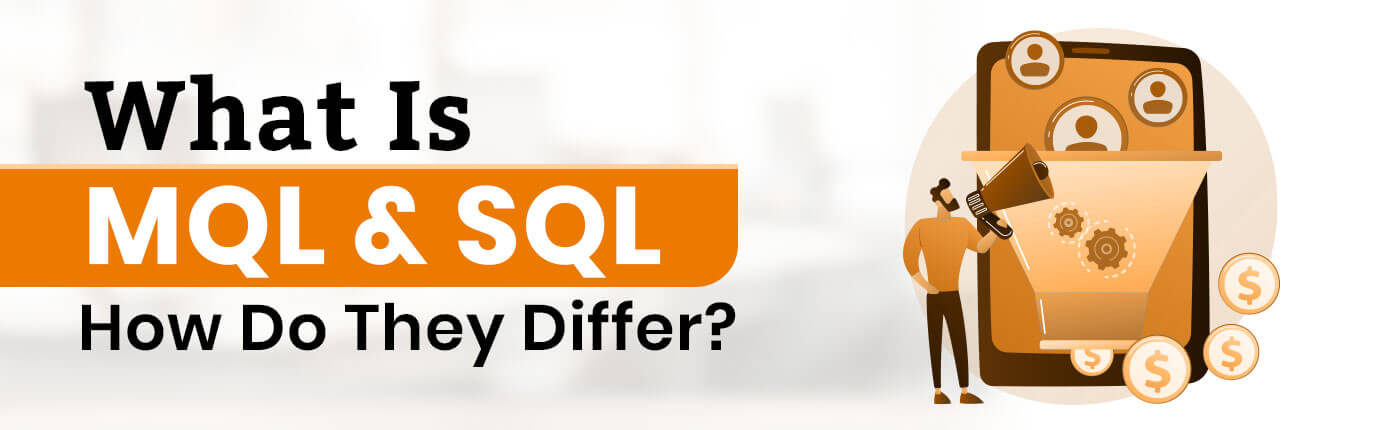
Did you know that only 5-10% of marketing qualified leads (MQLs) convert into paying customers? This statistic, highlighted in a Forrester Research report, underscores the crucial role of lead qualification in B2B marketing. But how do you identify leads ready to be handed off to your sales team? The answer lies in understanding the crucial distinction between MQLs (Marketing Qualified Leads) and HQLs (Highly Qualified Leads). Optimizing your funnel based on this difference maximizes your ROI. Must Read: MQL vs. SQL: Which Lead Matterrs More and When? MQL vs HQL: What’s the Difference? An MQL (Marketing Qualified Lead) has shown enough interest and fit to enter the marketing qualification process, but it may still require nurturing before sales engagement. An HQL (Highly Qualified Lead) demonstrates stronger buying intent, closer alignment with the ideal customer profile, and greater readiness for direct sales follow-up. The main difference between an MQL and an HQL is sales readiness. MQLs are typically still evaluating their needs and possible solutions, while HQLs have shown stronger signals that they may be closer to a purchasing decision. MQL vs HQL: Quick Comparison Criteria MQL HQL Sales Readiness Early to mid-stage Higher sales readiness Typical Engagement Content downloads, webinars, website visits Demos, consultations, quote requests, deeper engagement Qualification Focus Fit and marketing engagement Fit, intent, engagement, and buying readiness Recommended Action Continue nurturing and qualification Prioritize for direct sales follow-up Defining MQLs and HQLs MQLs (Marketing Qualified Leads): These leads have shown initial interest in your offerings. They’ve downloaded content, attended webinars, or visited product pages, indicating potential customer status. MQL qualification criteria vary by industry and target audience, but common factors include: Understanding how to qualify an MQL typically starts by evaluating these engagement signals and aligning them with your ideal customer profile. Must Read: How to Generate More Qualified Leads with MQLs HQLs (Highly Qualified Leads): These leads exhibit a stronger buying intent and are closer to making a purchase. They typically have a deeper understanding of their needs and are actively researching solutions. Qualifying HQLs often involves: Key Differences Between MQLs and HQLs Knowing the difference between MQL and HQL is crucial to determine what nurturing process requires to flow prospect through the funnel. Imagine you run a webinar on a complex software feature. Sending MQLs, who are still in the early stages of learning about your product, would likely overwhelm them. They might lose interest or find the content irrelevant, leading to a negative perception of your brand. Conversely, sending basic product brochures to HQLs, who are actively seeking in-depth information, feels like a missed opportunity. Their frustration could prompt them to explore competitor options. Let’s delve deeper into the difference between MQL and HQL: Must Read: MQL to SQL Conversion Rate Sales-Readiness: The primary distinction between MQLs and HQLs lies in their sales-readiness. MQLs require further nurturing and education before they become sales-qualified leads. HQLs, on the other hand, are much closer to the point of purchase and require minimal effort from the sales team to close the deal. Engagement Level: MQLs typically demonstrate a lower level of engagement with your marketing activities. Their interactions might involve downloading content offers or attending webinars. HQLs, however, engage more deeply with your brand. They might request consultations, participate in demos, or ask more specific questions about your products or services. Lead Scoring: Lead scoring answers which lead is ready to be handed off to the sales team. It’s a valuable tool for differentiating MQLs and HQLs. By assigning points to various lead interactions (e.g., downloads, website visits, email clicks), you can create a scoring system that helps predict a lead’s sales-readiness. Leads exceeding a certain score threshold are gold standard, requiring immediate attention from the sales team. Now let’s learn the pros and cons of MQL and HQL Must Read: How to Generate MQLs Like a Pro: Proven Strategies Pros and Cons of MQLs and HQLs The goal of the MQL and HQL is to drive the sales, but directing and nurturing them to sales requires understanding of both benefits and downsides, so let’s shine light on the pros and cons of the MQL and HQL.: MQLs Pros: Larger Lead Pool: MQLs offer a broader audience for your marketing efforts, increasing your overall pool of potential customers. Nurturing Opportunity: MQLs provide an opportunity to nurture leads and educate them about your brand, helping them progress towards becoming HQLs. Cons: Lower Conversion Rate: MQLs have a lower likelihood of converting into sales compared to HQL. Resource Drain: Focusing solely on MQLs can lead to wasted resources if unqualified leads are pursued relentlessly. HQLs Pros: Higher Conversion Rate: HQLs are much more likely to convert into paying customers, maximizing your ROI. Improved Sales Efficiency: Focusing on HQLs allows your sales team to prioritize their efforts and close deals faster. Better Resource Allocation: Resource allocation becomes more efficient when marketing and sales efforts target leads with the highest conversion potential. Cons: Missed Opportunities: Overly stringent HQL qualification criteria might lead you to miss out on good prospects who haven’t reached the HQL stage yet. Must Read: Storytelling in Sales: The SQL Conversion Guide MQL vs. HQL: A Spectrum, not a Binary Choice Think of MQLs and HQLs as points on a spectrum, not a rigid classification. Leads often fall somewhere on the spectrum, gradually progressing towards higher sales-readiness as they engage with your marketing initiatives. However, a broken funnel can cause prospects to slip out entirely. Optimizing the MQL-HQL Journey Here are some key strategies: Clearly Define MQL and HQL Criteria: Categorizing the lead is crucial to identify the prospects’ buying stage. Define clear and measurable criteria for both MQLs and HQLs, considering your specific industry, target audience, and sales process. Implement Lead Scoring: Utilize lead scoring to assign points to various lead interactions (e.g., website visits, content downloads, email clicks). Leads exceeding a predefined score threshold can be categorized as HQLs, prompting immediate sales follow-up. Develop a Nurturing Strategy for MQLs: Create a targeted nurturing program for