5 Benefits of Appointment Setting Services for Your B2B Business

Imagine having dedicated support to handle meetings, reach potential clients, and manage your calendar seamlessly. Appointment setting services offer precisely this assistance. And thoughtful selection of these services not only boosts revenue but also makes you wonder how you ever managed without it. Let’s dive into the perks of teaming up with a top-notch appointment service provider. Understanding Appointment Setting Services Investing in an B2B appointment settting services means mastering your calendar like a pro. This includes a team of professionals reaching out to your prospects and clients, setting up the meeting according to their convenience. In nutshell, it’s all about saving your time, optimizing the resources and making your business quite easy and manageable. Now let’s dive into the benefits of the appointment setting services. The 5 Benefits of B2B Appointment Setting B2B appointment setting tackles these challenges head-on, offering a range of benefits to optimize your sales funnel: 1. Streamlined Sales Pipeline Targeted Outreach: Appointment setters possess industry knowledge and understand your ideal customer profile, enabling them to conduct personalized outreach to decision-makers. With their expertise, they ensure that you connect with the right people at the right companies. Their understanding of market trends facilitates lead nurturing and significantly boosts your sales conversions. Lead Qualification: Appointment setters act as a filter, qualifying leads based on pre-determined criteria. This ensures your sales team focuses their energy on high-potential prospects, maximizing conversion rates. Nurturing Engagement: The scheduling process itself becomes an opportunity for lead nurturing. Appointment setters can answer basic questions, address pain points, and build rapport, keeping prospects engaged throughout the sales cycle. Must Read: A Brief Guide On Appointment Setting For B2B Sales 2. Increased Sales Efficiency By freeing up your sales team’s time for what they do best – closing deals – you unlock significant gains in time management and overall sales efficiency: According to Harvard Business services Engaging with a prospect now requires an average of 18 or more phone calls, with callback rates falling below 1%. Additionally, only 24% of outbound sales emails are ever opened. Focus on Closing: Imagine your sales team spending less time scheduling meetings and more time crafting compelling presentations and building relationships with qualified leads. This efficient process, achieved through a strong understanding of how to qualify inbound leads, translates to more closed deals and a healthier bottom line. Time Management: B2B appointment setting eliminates the scheduling burden, allowing your sales team to focus on high-value activities that directly contribute to revenue generation. 3. Improved Conversion Rates By connecting with the right decision-makers at the right time, B2B appointment setting sets the stage for successful sales conversations: According to Content Marketing Institute, 78% of B2B Marketers use lead conversions as a performance metric. Qualified Leads: Qualified appointment setting ensures your sales team focuses on prospects who are a good fit for your product or service, increasing the likelihood of a positive outcome during sales interactions. This targeted approach allows your team to delve deeper into specific needs and challenges, ultimately leading to more productive conversations and higher conversion rates. Must Read: Debunking 7 Common Misconceptions About Outsourcing Appointment Setting 4. Personalized Outreach According to Forrester 56% of marketers say that personalized content is paramount to a successful ABM strategy. B2B appointment setting goes beyond just scheduling meetings. It allows for: In-depth Knowledge: Appointment setters with a deep understanding of your product or service can tailor their outreach to resonate with specific needs and pain points. By leveraging effective appointment setting tips, such as in-depth product knowledge and targeted communication, they can significantly increase the likelihood of securing qualified appointments with decision-makers who are ready to discuss their challenges. Building Rapport: The personalized interaction during scheduling helps build rapport with potential customers, laying a strong foundation for the sales conversation. 5. Measurable ROI The effectiveness of B2B appointment setting can be quantified: Increased Lead Generation: Track the number of qualified leads generated through appointment setting, demonstrating its impact on pipeline growth. Improved Conversion Rates: Measure the conversion rate of qualified leads into paying customers to showcase the ROI of B2B appointment setting. Additional Considerations B2B appointment setting can be implemented by building an in-house team or outsourcing to a qualified service provider. Both options offer distinct advantages, and the best choice depends on your specific needs. Must Read: Avoid Making These B2B Appointment Setting Mistakes — Or Your Sales Funnel Will Collapse What’s Next B2B appointment setting services are more than just scheduling meetings. It’s a strategic investment that strengthens your entire appointment setting funnel, generating qualified leads, nurturing them through the funnel stages, and ultimately empowering your sales team to close more deals. By implementing a B2B appointment setting strategy, you unlock significant efficiency gains, improve conversion rates, and ultimately achieve a higher ROI on your sales efforts. So, don’t hesitate to explore appointment setting services and take your business to new heights. Reap the Benefits of B2B Appointment Setting Only B2B’s appointment setters are well-versed in your industry and understand your ideal customer profile, allowing them to conduct personalized outreach to decision-makers. With their expertise, they ensure that you connect with the right individuals at the appropriate companies. Their deep understanding of market trends facilitates effective lead nurturing, resulting in a substantial boost to your sales conversions.

Blog

Only B2B Blog Archives More than 2 results are available in the PRO version (This notice is only visible to admin users) All Posts Telemarketing SDR Sales Qualified Leads Marketing Qualified Leads Lead Generation Intent Data GTM Email Marketing Demand Generation Database Cleansing Account Based Marketing Appointment Generation Content Syndication October 9, 2024/ Think MQLs Don’t Work? It’s Time to Rethink Your Marketing Approach Vikas Bhatt October 2, 2024/ How to Use Intent Data to Drive Sales and Maximize ROI Vikas Bhatt September 29, 2024/ Storytelling in Sales: The SQL Conversion Guide  Vikas Bhatt September 25, 2024/ 12 Best Buyer Intent Data Tools to Drive More Qualified Leads Vikas Bhatt September 18, 2024/ B2B Demand Generation Funnel: A Comprehensive Guide to Optimizing Your Marketing Funnel Vikas Bhatt September 15, 2024/ Sales Cadence Best Practices: Why You Should Always Dial First Vikas Bhatt September 11, 2024/ Proven B2B Lead Nurturing Strategies to Increase Your Sales Pipeline Vikas Bhatt September 4, 2024/ B2B Demand Generation Trends You Need to Watch for a Winning Marketing Strategy Vikas Bhatt August 28, 2024/ How to Streamline Appointment Generation that Closes Deals Faster Vikas Bhatt Load More End of Content.

How to Leverage Intent Data for Personalized B2B Marketing to Achieve Sales Target in 2026?

Gone are the days of B2B marketing campaigns that land with a thud! Forget them! We’re entering a new era where personalization reigns supreme and the key to unlocking its potential lies in a powerful tool: intent data Think of B2B intent data as the secret sauce that unlocks a deeper understanding of your prospects. It goes beyond demographics and past purchases, revealing the “why” behind their actions: their specific needs, motivations, and anxieties. By analyzing factors like: B2B intent data paints a rich contextual picture. This empowers you to craft personalized experiences that feel like they were made just for them. Imagine delivering content that resonates perfectly with their current situation, not just broad topics based on keywords. That’s personalization that packs a punch! What is Intent Data, anyway? Read more: Must Read: The Power of Intent Data in Lead Generation Understanding Intent Data in b2b marketing Think of intent data as the crystal ball of B2B marketing. It goes beyond demographics and past purchases to reveal your prospects’ active interest in specific products, services, or solutions. By analyzing online behavior (website visits, search queries, social media engagement), intent data platforms paint a picture of who’s actively considering a purchase and what type of solution they’re looking for. If your organization is not investing in B2B intent data, then you are falling behind. Traditional marketing data: not a good idea. It is like filling your car with the wrong fuel. Sure, it might get you moving, but it won’t take you far and could even damage your engine. Relying solely on demographics or past purchases misses the key ingredient: active buying intent. Remember, intent data isn’t just about getting you started; it’s about getting you there efficiently and effectively. Don’t stall your B2B marketing efforts. Use intent data to avoid the wrong fuel trap and reach your destination. Let’s delve deep into Intent Data in Personalized B2B Marketing. Must Read: First-Party, Second-Party, Third-Party Intent Data: Diving into Notable Differences Diving Deeper: Types of Intent Signals in B2B Now, intent data isn’t a one-size-fits-all solution. There are two main types to understand: 1. Explicit Intent: This is like your prospect shouting their needs from the rooftops. Think of things like downloading white papers, requesting demos, or attending webinars related to your offerings. It’s a clear signal of active interest and purchase intent. 2. Implicit Intent: This is where things get interesting. By analyzing browsing behavior, keyword searches, and even social media interactions, intent data platforms can infer potential interest even if prospects haven’t explicitly expressed it. It’s like reading between the lines of their digital footprint. So, how can this magical data transform your B2B marketing? Must Read: 10 Key Game-Changing Benefits of Intent Data How to leverage Intent Signals to Tailor your Marketing Strategies Here are just a few ways: 1. Laser-Targeted Campaigns: Tailor targeted campaigns that highlight your unique value proposition and win them over before they even consider your competitors. 2. Boost Lead Quality: Identify prospects with genuine buying intent, maximizing your ROI and saving you valuable time and resources. 3. Hyper-Personalized Content: Use intent data to understand your audience’s specific needs and challenges, then craft targeted content that speaks directly to them. 4. Streamlined Sales Process: Equip your sales team with valuable insights into prospects that allow them to tailor their outreach, shorten sales cycles, and close deals faster. Understanding where a prospect stands in the B2B sales cycle phases ensures that your team engages with the right message at the right time, increasing conversion efficiency. But wait, there’s more! In today’s privacy-conscious world, ethical data practices are crucial. Techniques like federated learning, differential privacy, and anonymization allow you to personalize effectively without compromising sensitive information. Building trust and fostering long-term relationships? Check and check. Want to go beyond basic personalization? Buckle up for hyper-personalization! Must Read: How to Collect B2B Intent Data Connecting Intent Data with B2B Hyper Personalization for customized marketing strategy Hyper personalization takes things to the next level, tailoring experiences not just to individuals, but to micro-segments or even individual interactions. Imagine AI dynamically adjusting content, offers, and recommendations based on real-time analysis. It’s like having a tiny marketing genie in your pocket, whispering the perfect message at the perfect moment. This is where intent-based marketing comes into play, ensuring that these tailored experiences are driven by a deep understanding of customer intent and behavior. The technical hurdles are real, but the potential for creating truly unique and engaging experiences is mind-blowing. And let’s not forget about data. The more data you have, the richer your understanding of intent becomes. Integrating multimodal data from sources like text, voice, video, and sensor data paints an even more vivid picture. No longer are you limited to just what users say – you can analyze their tone of voice, facial expressions, and even surroundings. Imagine personalizing content not just based on search terms, but on the user’s emotional state. Now that’s some next-level marketing magic! But intent data alone isn’t the silver bullet. Remember, it’s a powerful tool that needs to be wielded strategically. Must Read: Virtual Prospecting with Intent Data Practical strategies for Aligning Intent Data with Targeted Personalization Here are some key takeaways: Match the provider to your needs: Different providers cater to different use cases. Choose the one that aligns best with your specific marketing and sales goals. Don’t be afraid to mix it up: Combining data from multiple providers can give you a more comprehensive view of your audience. Think beyond the basics: Use intent data for pipeline acceleration, customer retention, and other areas beyond just initial outreach. Tackle the challenges: Identifying decision-makers within target accounts can be tricky. Develop clear strategies to overcome this hurdle. Measure your impact: Track how intent data investments affect your B2B revenue to see the true value they bring. Must Read: How to Leverage Intent Data for Sales? Decoding B2B Intent Data Integration Techniques In the martech landscape, data reigns supreme. But while traditional

Purchasing Intent Data – How To Select A Intent Data Vendor

Consider a situation in which you can extract data from your prospectivebclients who are searching for a product that is comparable to (or identical to) what you provide. What if we claim it’s conceivable? If you utilize intent data correctly, it will provide you with such capacity. According to Retail Dive, 87 percent of buyers use the internet and search online to study a product before purchasing it. They search for and compare equivalent goods, browse relevant material, and watch videos that best suit their needs or problems. What’s more alarming is that they aren’t seeking assistance from their sales staff. The majority of clients complete their buying process without ever interacting with a salesman. Must Read: Driving Growth with B2B Purchase Intent Data: Unlocking the Power of Buyer Insights How are marketers using intent data to increase revenue? According to Trust Radius, Intent monitoring is used for prospecting by 70% of the 40% of businesses who employ it. This is an apparent use case because the bulk of buyer research occurs online before a prospect talks with a salesperson.  Image Source: TrustRadius 6 Questions to Ask When Selecting a B2B Intent Data Provider You’re probably aware that intent monitoring allows you to gain a more in-depth and comprehensive insight into your leads, targets, and clients. When it comes to improving the customer experience, the majority of B2B firms believe that leveraging data is the most challenging task. The last thing you need is data that is deceptive or inaccurate. The good news is that a slew of businesses has come up to give you the greatest intent monitoring data imaginable. All it takes is asking the proper questions. Must Read: B2B Intent Marketing: Capturing Business Leads 1. Where Do You Get Your Data For B2B Intent Monitoring? A few B2B data providers may only provide you with information obtained via their own websites. Several, on the other hand, may only operate with a limited number of B2B blogging platforms. This can be a concern, especially for companies seeking intent data for lead generation, which often relies on a wider range of sources to capture user browsing behavior and purchase signals. Any trustworthy business should be able to provide you with at least a few referrals to support up their claims. Always remember to investigate each of these sources independently. 2. How Do You Ensure That Your Data Is Accurate? If your data is incorrect, it is useless. Your business needs a reliable data vendor. As a result, inquire as to how they ensure the accuracy of their data. Make a list of questions to ask, such as: Must Read: What Is Intent Data and How It Can Help Your Company? 3. What Kinds Of Intent Signals Do You Monitor? While executing your research, your prospects will most likely utilize a variety of platforms. In other words, the more actions you track, the more probable it is that you will discover profiles who are excited about your goods or brand. As a result, you must inquire with your vendors about the platforms they monitor. You should seek the following answers: 4. When Was The Last Time The Data Was Mined? Let’s admit it: data is always evolving, and the battle may be over in the time it takes an alert to go from your team to your marketing team. As a result, even if the intent monitoring vendor claims to utilize data from reputable resources, if it is older than six months, it is of very little use to your business. By that time, your competitors may have already snatched up your target. Must Read: How To Make The Most From Your Customer Acquisition Marketing 5. Do You Obey Privacy Regulations? There are a lot of gray areas when it comes to collecting b2b intent data. While tracking first-party data is simple, tracking third-party intent data is more difficult. In many situations, rather than tracking individuals, intent monitoring data is monitored anonymously by visitor account. As a result, don’t permit a possible infringement to derail your company objectives. Select B2B data supplier that is not just GDPR compliant but also maintains your legality. 6. How Will Your Data And Marketing Technology Work Together? Start by giving your sales staff the information they require at the time they require it. The more promptly your sales staff can take benefit of developments in purchase behavior, the higher probability you have of closing more transactions. Commence your initial interaction with a data provider, it helps to identify the elements of your sales staff who need to acquire buyer intent data and the objectives for which they’ll utilize it. Incorporate buyer intent data tools to streamline this process and enhance the precision of your targeting efforts. Ask each data vendor how their orientation program can satisfy your demands once you’ve made a database. Must Read: Benefits of B2B Intent Data To Wrap Up: The future of B2B marketing and sales is intent monitoring. And finding the proper intent data vendor may completely transform your business. Each vendor’s skills, areas of specialization, and mindset are unique. Because the industry is always changing, accessing the network of data suppliers and grasping the various alternatives may be challenging. These questions will assist you in choosing the ideal marketing vendor for your company. Must Read: Advantages of Employing Intent Data In B2B Marketing

Beginner’s Guide to FREE Content Syndication

Do you dream of having your content seen by millions? Imagine hitting “publish” and instantly expanding your reach—without spending a dime. Sounds unreal? It’s not. You can achieve this from day one using free content syndication. Content syndication is a powerful method of republishing your content on other reputable websites to reach a wider audience. At first glance, it might seem like content duplication, raising concerns about SEO penalties or plagiarism. But here’s the truth: syndication is not the same as copying. It’s one of the most underrated strategies to grow your blog and brand authority—if done right. In this guide, you’ll learn exactly how to use free content syndication to grow your audience, protect your SEO, and build your reputation—all without spending a single penny. Must Read: All you need to know about content syndication Beginner’s Guide to FREE Content Syndication Get a blog (if you don’t have one) If you have a blog, you are already one step closer. In case you dont, start a blog so you can syndicate content in free of cost. However, if you are NOT an authority in your domain, syndicating content demands huge amount of efforts.  Content syndication for lead generation works best when you consistently share high-quality and relevant content with the right audiences.   Dont give up just because a few high-authority domain websites are not interested in your posts at first. The best way to increase authority is to establish yourself as a writer on other blogs. Write engaging (and fresh) blog posts for known websites (commonly called, guest posting). For example, if you are into IT/Tech, you can consider TechinAsia, TNW, TechCrunch etc. If you aren’t aware of high authority blogs in your domain, go to search engine and type your niche + write for us. If you have a particular website in mind, you can search contributing to forbes or guest post guidelines + TNW””. Decide where do you want to syndicate Here is an extensive list of article syndicating websites. These content syndication platforms can help you reach a wider and more targeted audience. Ensure that your content is of interest to their audience. If not, you can always give a brand new angle to your content (for example, writing it for a very specific audience). Ensure that the website accept content syndication request Once you have decided, browse their websites to ensure that they are STILL open to web content syndication requests.    You need to look out for something like this in their latest posts – Once you have ensured that your targeted websites are open to content syndication, look out for your best-written post (read: most shared or commented on). Get in touch with the editors Shoot an email to the editor of the blog and keep it simple. You can get the email address on their contact us page. If not, you may want to check out their guest post guidelines or contributions page.    According to Neil Patel, the one thing editors always look for in your pitch is PROOF. They need to be convinced that you are creating content that resonates with your audience. If not, your pitch might likely fail.    It helps to briefly highlight the benefits of content syndication in your pitch—especially how it brings visibility to both the original publisher and the syndication partner. UNLESS, you know them personally.    In Paul Jarviss terms It really is all about connections – just like any other aspect of business, it’s mostly who you know. If you dont know anyone directly, you can ask for a warm introduction if possible. Look up the editors on LinkedIn and see if you have any common connections. Your pitch can look something like this – Subject: Request to Syndicate a High-Performing Post on [Your Blog Name] Hi [Editor’s Name], I’m [Your Name], and I run [Your Blog or Company Name], where I regularly write about [Your Niche]. One of my recent posts, “[Title of the Post]”, received great engagement and I believe it would be a valuable fit for your readers at [Website Name]. I’d love to republish it on your platform as part of a content syndication partnership. I’d be happy to provide the original post, and include a rel=canonical tag or NoIndex tag—whatever aligns best with your editorial SEO guidelines. You can view the original article here: [Link] Please let me know if you’d be open to this. Best regards,[Your Full Name][Your Website][LinkedIn or Contact Info] Syndicated content and SEO  As per Google: If you syndicate your content on other sites, Google will always show the version we think is most appropriate for users in each given search, which may or may not be the version youd prefer. You dont want the syndicated content to be ranked higher than yours. For this, you can   Request the syndication partners to use rel=canonical: Rel=canonical tag tells Google where exactly original content is. This helps the Google algorithm to decide which one should rank higher and which is the duplicate.   NoIndex Tag: This tag tells Google engine bots to NOT index the page. When a page is not indexed, it doesnt appear on search engine results.    Asking the syndication partner to include NoIndex will remove the syndicated copy from the results. You wont lose out on any organic traffic or fear the syndicated version might rank higher     Ask for a backlink: If none of this work, ask the syndicating website to for attribution. Similar to the images above.    Read. Write. Post. Syndicate. REPEAT.    Content syndication will give you desired results ONLY when it is repeated frequently.    So go ahead and start syndicating content. But remember – an impressive portfolio is the first step towards a fruitful content syndication strategy.    Have you tried syndicating? What was your content syndication strategy?“

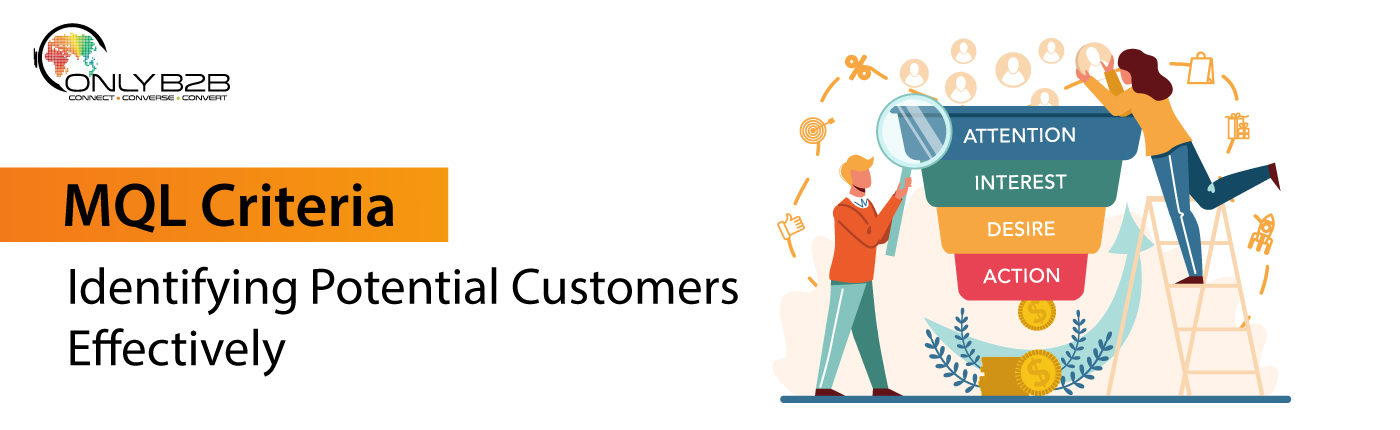
MQL Criteria: Identifying Potential Customers Effectively

In the world of marketing and sales, it’s really important to find potential customers in a smart way. This means sifting through lots of leads and focusing on the ones that are most likely to become valuable customers. A super important tool for doing this is called Marketing Qualified Lead (MQL) criteria. This blog looks into what MQL criteria are and how they help us find potential customers that matter.  Must Read: MQL to SQL Conversion Rate Marketing Qualified Lead (MQL) Criteria: Identifying Potential Customers Effectively Potential clients who have expressed interest in your goods or services but haven’t quite developed to the point of being prepared for direct sales contact are known as marketing qualified leads (MQLs). MQL criteria are the set of attributes, behaviors, and characteristics that determine whether a lead qualifies for MQL lead generation. These act as checkpoints that assist your marketing and sales teams in determining when a lead is sufficiently warmed up to engage in a fruitful sales conversation. Must Read: Inbound vs. Outbound Lead Generation: Finding the Right Mix for MQLs  Key Components of Effective MQL Criteria Demographic Information: This includes basic details like industry, company size, job title, and location. By aligning leads’ demographics with your ideal customer profile, you increase the chances of targeting individuals who are more likely to find value in your offering. Engagement Level: Tracking how leads engage with your content, such as visiting your website, downloading resources, or interacting with your emails, helps gauge their level of interest. Higher engagement often indicates a stronger likelihood of conversion. Behavioral Signals: Monitoring specific behaviors, like attending webinars, requesting demos, or signing up for newsletters, can provide insights into a lead’s intent and interest. Interaction History: Understanding the historical interactions, a lead has had with your brand gives context to their journey. This could include past purchases, conversations with your team, or previous engagement. Timing and Frequency: Analyzing the frequency and recency of a lead’s interactions can indicate their current interest level. A lead who has engaged frequently in a short span might be closer to making a decision. Budget and Authority: Evaluating a lead’s budget allocation for the kind of solution you provide and their decision-making authority within the organization can help identify leads that are more likely to convert. Challenges and Pain Points: Leads expressing challenges or pain points that align with your solution’s benefits are strong indicators of potential customers. This shows that your offering addresses their needs. Must Read: How to Leverage Account-Based Marketing (ABM) for Marketing Qualified Leads Best Practices for Implementing MQL Criteria Collaboration between Marketing and Sales: Developing marketing qualified lead criteria should be a collaborative effort between marketing and sales teams. Both sides bring unique perspectives that ensure the criteria are comprehensive and aligned with sales goals, and ultimately contribute to a high lead-to-MQL conversion rate. Regular Review:  The effectiveness of MQL criteria should be evaluated regularly. As market dynamics change and your understanding of customer behaviors deepens, your criteria might need adjustments. Data-Driven Approach: Base your MQL criteria on data and analytics. Look at historical conversion rates, customer journey patterns, and engagement metrics to inform your criteria. Clear Communication: Ensure everyone in your organization understands the MQL criteria. This prevents misalignment and helps maintain a unified focus on pursuing the right leads. Must Read: Important Ways To Generate Marketing Qualified Leads Marketing Qualified Leads Criteria MQL criteria can be segmented into two broad categories: explicit and implicit criteria. Explicit Criteria: These are objective and directly observable attributes, like job title, industry, company size, and location. Explicit criteria are often demographic in nature and can be easily gathered from forms and interactions. Implicit Criteria: These are derived from the lead’s behavior and engagement. Examples include downloading resources, attending webinars, and visiting pricing pages. Implicit criteria provide insights into a lead’s intent and interest. Must Read: Top Reasons to Hold On to MQLs: They Will Convert Eventually If Marketing Is Done Correctly Defining MQL Parameters Defining MQL parameters involves setting specific thresholds for each criterion, distinguishing Marketing Qualified Leads (MQLs) from Highly Qualified Leads (HQLs). For instance, a lead might need to have visited your website at least three times in the last two weeks, downloaded an e-book, and shown interest in your pricing page to meet the MQL threshold. HQLs may exhibit even stronger engagement signals, such as requesting a demo or contacting sales directly It’s important to note that MQL criteria are not universal; they vary depending on your industry, target audience, and the nature of your product or service. The key is to strike a balance between setting criteria that are stringent enough to indicate genuine interest but not so strict that potential leads are prematurely disqualified. Must Read: Utilizing Intelligent Content Syndication To Produce High Intent MQLs Conclusion In the world of marketing and sales, MQL criteria act like a compass, showing us the way to potential customers almost ready to become loyal buyers. By learning about MQL and adapting it to your business, you can find and nurture marketing qualified leads that are likely to become great customers. Remember, MQL is a crucial stage in the sales funnel, distinct from Sales Qualified Leads (SQLs). MQLs show promise, but may need further nurturing before they’re ready for a sales conversation. Just remember, MQL isn’t fixed; it changes as your business does. Using MQL smartly helps you manage leads better and turn more leads into happy customers.

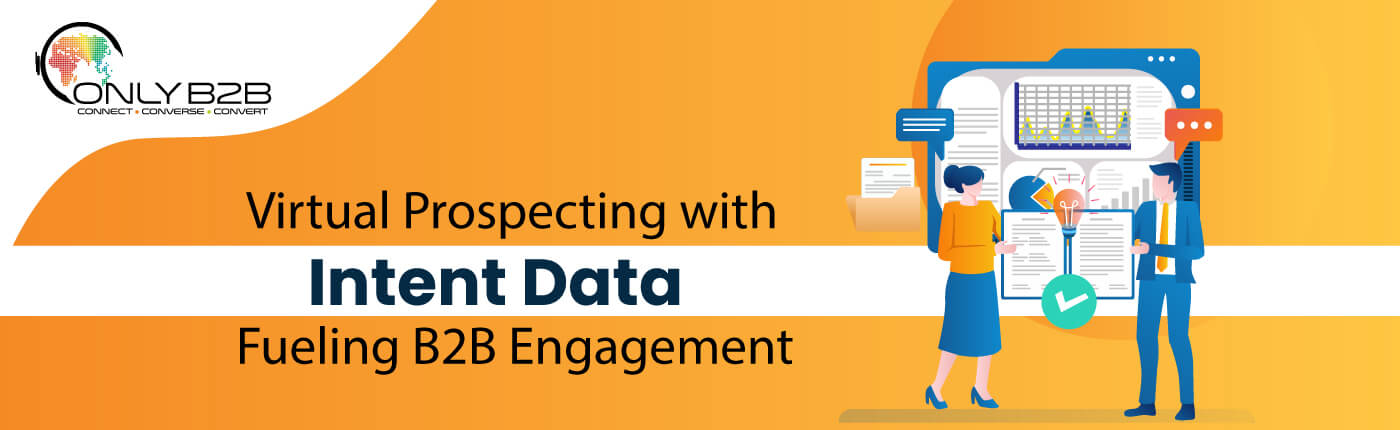
Virtual Prospecting with Intent Data: Fueling B2B Engagement

B2B prospecting has evolved significantly in the digital era. The traditional methods of cold calling and generic outreach have given way to a more sophisticated approach that leverages data and insights to connect with prospects who are genuinely interested in your offerings. This evolution has led to the rise of virtual prospecting, a strategic process that harnesses the power of intent data for more meaningful engagement. Intent data has emerged as a game-changer in B2B prospecting. It provides insights into the online behavior of potential buyers, helping sales and marketing teams identify prospects who are actively researching solutions similar to what they offer. This knowledge enables virtual prospecting efforts to be hyper-targeted and relevant, leading to higher engagement rates and more qualified leads (Sales qualified or Marketing qualified). In this comprehensive guide, we’ll explore the synergy between virtual prospecting and intent data. We’ll delve into how intent data can be harnessed to drive targeted outreach, create personalized interactions, and foster more meaningful connections in the digital B2B landscape. Must Read: Intent Data: A Game-Changer for B2B Event Marketing Virtual Prospecting with Intent Data: Fueling B2B Engagement Understanding Virtual Prospecting with Intent Data Virtual prospecting involves using digital channels to identify and engage with potential B2B buyers. Intent data, on the other hand, refers to the signals and cues that indicate a prospect’s active interest in a particular topic, solution, or industry. Combining these two concepts means reaching out to prospects who are not only within your target audience but also exhibiting clear signs of interest. Must Read: Intent Data for Lead Generation A. The Role of Intent Signals in Targeted Outreach Intent signals act as guideposts in the digital wilderness, directing sales and marketing teams toward prospects who are actively seeking solutions. These signals can range from website visits and content downloads to keyword searches and engagement with industry-related content. Identifying and interpreting these signals enable teams to prioritize their outreach efforts and engage with prospects at the right moment. B. Benefits of Combining Virtual Prospecting and Intent Data The amalgamation of virtual prospecting and intent data offers a range of benefits. By focusing on prospects who are displaying intent signals, teams can significantly increase the efficiency of their outreach efforts. This approach leads to higher response rates, more meaningful conversations, and a shorter sales cycle. Must Read: Driving Growth with B2B Purchase Intent Data: Unlocking the Power of Buyer Insights Harnessing Intent Data for Targeted Outreach A. Tracking Online Buyer Behavior and Signals The online world provides a wealth of data about buyer behavior. Intent data allows you to track what content prospects are consuming, which websites they’re visiting, and what keywords they’re searching for, using buyer intent data tools. This insight into their digital footprints provides a clearer understanding of their interests and needs. B. Identifying Real-Time Purchase Intent Intent data is most powerful when it’s captured in real-time. This means that as prospects engage with content, browse websites, or participate in online discussions, their intent signals are captured immediately. This real-time information enables your virtual prospecting efforts to be timely and relevant. C. Analyzing Intent Data to Uncover Prospect Needs Intent data goes beyond mere signals; it offers a window into the challenges and pain points that prospects are trying to address. By analyzing their online behavior, you can deduce the problems they’re grappling with and tailor your outreach to address those specific needs. Must Read: B2B Intent Marketing: Capturing Business Leads Crafting Hyper-Personalized Outreach A. Tailoring Messaging Based on Intent Signals Intent data allows you to tailor your messaging to align with the prospect’s interests. When reaching out, reference the specific content they’ve engaged with or the topics they’ve shown interest in. This level of personalization immediately grabs their attention and establishes your relevance. B. Addressing Prospect Pain Points and Interests Intent data reveals pain points and interests that prospects may not have explicitly stated. Use this information to craft messages that directly address their challenges and aspirations. According to HubSpot, personalized emails deliver six times higher transaction rates. C. Adding Value through Relevant Content Content remains a potent tool in virtual prospecting. Leverage intent data to send prospects content that aligns with their interests. This not only showcases your expertise but also positions you as a valuable resource in their decision-making journey. Must Read: How To Make The Most From Your Customer Acquisition Marketing Multi-Channel Engagement Strategies A. Leveraging Email Outreach with Intent Insights Email is a primary channel for virtual prospecting. When armed with intent insights, you can draft compelling subject lines and content that resonate with the prospect’s interests. According to Statista, the global average open rate for B2B emails is around 21.33%. B. Integrating Social Media Engagement for Warm Connections Social media provides an avenue for warm interactions. Engage with prospects on platforms like LinkedIn by commenting on their posts, sharing relevant content, and initiating conversations. This familiarity can pave the way for more receptive virtual prospecting efforts. C. Incorporating Intent Data in Cold Calling Cold calling becomes more effective when combined with intent data. Before making a call, review the prospect’s intent signals to understand their context and tailor your conversation accordingly. When comparing cold call vs cold email strategies, leveraging intent data can enhance both approaches, but it transforms cold calls into warm conversations. Intent Data and Account-Based Marketing (ABM) A. Mapping Intent Data to Target Accounts Account-Based Marketing (ABM) involves focusing your efforts on a select group of high-value accounts. Intent data can help you identify which accounts are displaying intent signals, allowing you to prioritize them in your ABM tactics. B. Orchestrating ABM Campaigns with Intent Insights Intent data enriches your ABM campaigns. Craft content and messaging that align with the specific intent signals of target accounts. This increases the relevance and impact of your ABM efforts. C. Personalizing ABM Touchpoints with Intent Signals When interacting with key decision-makers in target accounts, leverage intent data to guide your conversations. Address the topics they’re actively researching, demonstrating your

Data Cleansing Automation: Enhancing Efficiency and Reducing Manual Efforts

In the modern business environment, accurate and reliable data serve as the cornerstone of effective decision-making. Data cleansing, also known as data scrubbing or data cleaning, is the meticulous process of identifying and rectifying errors, inconsistencies, and inaccuracies within datasets. This practice is indispensable, as it ensures that the data on which critical decisions are based remains trustworthy and precise. As the volume of data continues to surge with the advent of big data and analytics, maintaining data accuracy has become increasingly complex. Manual data cleansing processes that were once viable have become cumbersome and impractical due to the sheer magnitude and intricacy of data. Consequently, the demand for data cleansing automation has risen as organizations seek to streamline this vital process. Data cleansing automation presents a spectrum of advantages beyond mere accuracy. Firstly, it significantly elevates data accuracy and quality. This precision is not just a luxury but a necessity; according to Gartner, organizations lose $15 million annually due to poor data quality. Moreover, automated data cleansing accelerates processes, leading to considerable time and cost savings. Must Read: Data Hygiene: Mastering CRM Data Cleansing for Optimal Performance Data Cleansing Automation: Enhancing Efficiency and Reducing Manual Efforts Understanding Data Cleansing Automation Data cleansing automation involves the utilization of advanced technologies, including algorithms, machine learning, and artificial intelligence, to autonomously detect and rectify errors within datasets. This approach not only heightens data accuracy but also minimizes the necessity for manual intervention. A. Key Data Hygiene Challenges Faced by Businesses The challenges of data hygiene, such as duplicate entries, inconsistent formatting, and incomplete information, hinder operational efficiency and decision-making. Manual addressing of these challenges has become impracticable, necessitating automated solutions that can handle the intricacies of modern data. B. Role of Automation in Streamlining the Data Cleansing Process Automation expedites the data cleansing process by promptly identifying errors and inconsistencies across extensive datasets. This translates to a more efficient process, reduced human effort, and the assurance that the data utilized for analysis is both accurate and reliable. Must Read: What Is Data Cleansing, Why Is It Important, And How Can You Do It? Advantages of Automated Data Cleansing A. Improved Data Accuracy and Quality Automated data cleansing ensures a higher level of data accuracy and quality. This is essential for decision-making accuracy; in fact, businesses believe that 32% of their business decisions are based on data that might be incorrect. B. Time and Cost Savings The time and costs associated with manual data cleansing are substantial. Automation significantly reduces the time required for data cleansing, resulting in substantial cost savings. According to Gartner, organizations that actively invest in data quality can expect a 25% improvement in their data quality metrics within a year. C. Eliminating Human Errors and Bias Manual data cleansing is vulnerable to human errors and biases, introducing inaccuracies into datasets. Automation eliminates this risk, ensuring data consistency and adherence to industry standards. IBM estimates that poor data quality costs the US economy $3.1 trillion annually. D. Enhanced Data Security and Compliance Automated data cleansing tools adhere to data protection regulations and data privacy requirements. This is especially crucial with regulations like the GDPR, which imposes strict fines for data breaches and non-compliance. Must Read: How Data Cleansing Help To Boost Your Marketing Campaign Performance? Essential Tools for Automated Data Cleansing A. Data Cleaning and Enrichment APIs Application Programming Interfaces (APIs) play a pivotal role in automated data cleansing. These APIs facilitate seamless integration with external data sources, enabling the enrichment and refinement of datasets. According to a study by MuleSoft, 83% of IT decision-makers reported that integrating APIs improved the efficiency of their business processes. B. Data Quality and Integration Platforms Robust data quality and integration platforms provide a comprehensive solution for businesses seeking to streamline their data cleansing processes. These platforms offer a range of functionalities, including data assessment, cleansing, and integration. According to Experian, 88% of companies believe that their bottom-line is affected by inaccurate data, which can be mitigated by utilizing such platforms. C. Machine Learning and AI-Based Cleansing Solutions Machine learning algorithms play a pivotal role in automated data cleansing by identifying patterns and anomalies within datasets. The utilization of AI-based solutions enhances the efficiency of data cleansing processes. A Forbes survey revealed that 51% of businesses are using AI for data quality and cleansing, emphasizing the growing importance of these technologies. D. Custom Scripting and Automation Tools Custom scripting and automation tools offer tailored solutions for specific data cleansing needs. These tools provide flexibility and customization options, allowing organizations to address unique challenges efficiently. According to Deloitte, 66% of businesses are leveraging automation to reduce time spent on data cleansing processes. Must Read: 6 Effective Practices For Database Cleaning In 2023 Implementing Data Cleansing Automation A. Assessing Data Cleansing Needs and Goals Before embarking on data cleansing automation, businesses must evaluate their data cleansing requirements and establish clear objectives. According to Experian, organizations with a mature approach to data quality enjoy an annual revenue growth rate that is 2.8 times higher than those with lower data quality maturity. B. Selecting the Right Automation Tools for Your Business The selection of automation tools should align with the organization’s data complexity, industry regulations, and long-term objectives. According to TDWI, 56% of organizations identify data quality tools as critical components of their data strategies. C. Integrating Automated Cleansing into Existing Workflows The integration of automated data cleansing into existing workflows requires a strategic approach. This integration should be seamless, ensuring minimal disruption to ongoing operations. According to Informatica, 75% of organizations believe data integration is important to their digital transformation efforts. D. Training and Skill Development for Efficient Utilization Efficient utilization of automated data cleansing tools demands adequate training and skill development among the workforces. Proper training ensures that teams can harness the full potential of these tools to enhance data accuracy and efficiency. According to LinkedIn, 94% of employees would stay at a company longer if it invested in their career development. Must Read: List

Fast-track your revenue generation with Pay-for-Performance marketing campaigns.